
Incoterms for Fresh Produce: Who Pays When Cold Chain Fails
The Incoterm decides who pays for the reefer and who carries the loss if the temperature slips. Most fresh-produce buyers discover which, only after a container arrives warm.
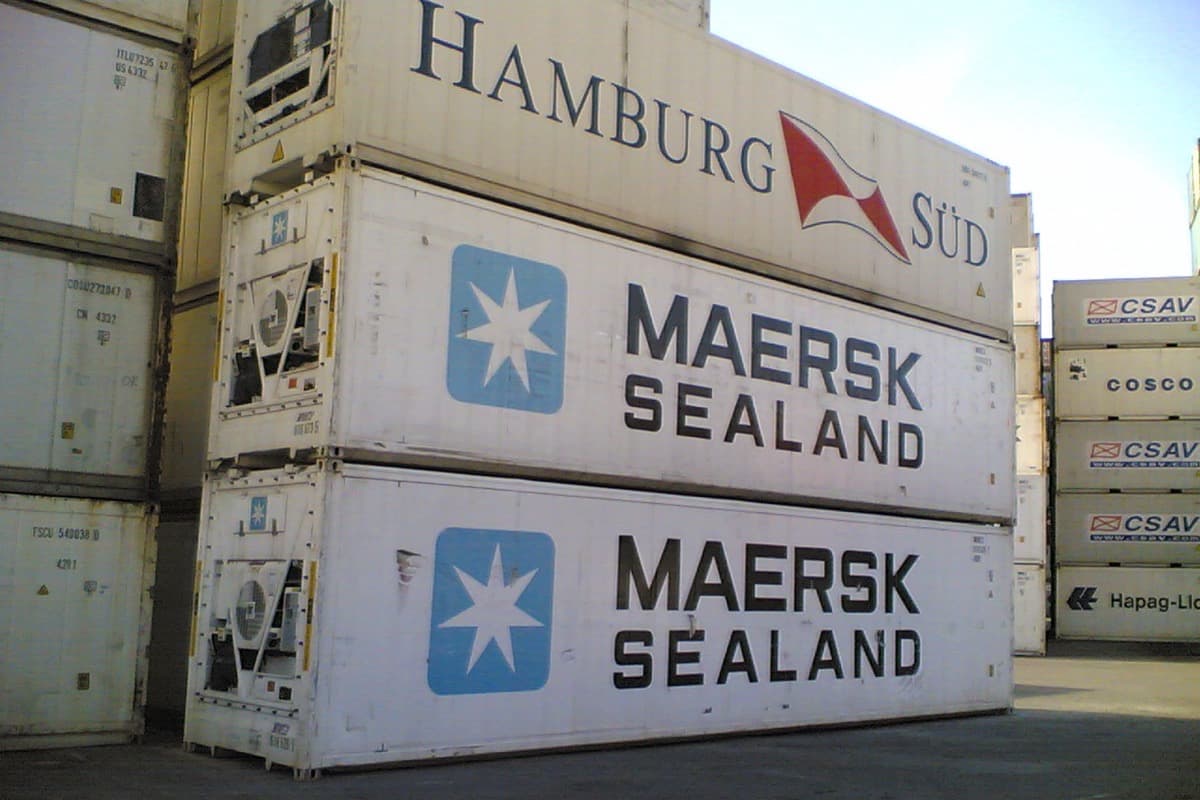
Incoterms are usually treated as a pricing convention: FOB is cheaper, CIF is more convenient, pick one and move on. For dry goods that is roughly harmless. For temperature-controlled fresh produce it is not, because the term you choose silently allocates two things that matter enormously when something goes wrong: who is paying for the reefer, and who bears the loss if the cold chain fails in transit.
This is a practical guide to that allocation, aimed at buyers rather than freight professionals.
The four terms you will actually be quoted
| Term | Seller arranges | Risk passes to buyer | Freight paid by |
|---|---|---|---|
| FOB | Export clearance, delivery on board | On loading at origin port | Buyer |
| CFR | Carriage to destination port | On loading at origin port | Seller |
| CIF | Carriage plus insurance | On loading at origin port | Seller |
| DAP | Carriage to a named destination point | On arrival, before unloading | Seller |
The column that surprises people is the third. Under FOB, CFR and CIF alike, risk transfers to the buyer once the goods are loaded at the origin port. Under CFR and CIF the seller pays the freight, but that is a cost arrangement, not a risk arrangement. A CIF buyer whose container arrives spoiled owns that problem, even though the seller booked the vessel.
The insurance gap under CIF
CIF obliges the seller to insure, which reassures buyers into assuming they are covered. The detail matters: under Incoterms 2020 a CIF seller is required to provide only minimum cover, Institute Cargo Clauses (C), for 110 percent of the contract value.
ICC (C) is a restricted, named-perils cover. It responds to major casualties such as fire, sinking or derailment. It is not designed to answer a claim for fruit that arrived soft because a reefer ran three degrees warm for two days. Buyers of perishables normally want all-risks cover under Institute Cargo Clauses (A), and if you want it under a CIF contract you have to ask for it and expect it in the price.
The practical question to put to your supplier is not "is it insured" but "which clauses, for what value, and does the policy respond to temperature deviation". If the answer is vague, arrange your own cover.
Who pays for the reefer, and who controls it
Reefer freight costs materially more than dry freight, so the Incoterm determines a real number. But the more important consequence is control. Whoever books the container is the party in contractual relationship with the carrier, which affects who can set the temperature, who receives the data logger record, and who is positioned to claim against the line if equipment fails.
Under FOB, you book, so you set the parameters and you hold the carrier relationship. Under CIF or CFR the seller books, and you are dependent on them to specify correctly and to pass on the record. Neither is wrong, but if you buy on CIF you should require the set point in writing and the temperature record as a shipping document, not as a favour after arrival.
How this interacts with a letter of credit
If you are paying by letter of credit, the Incoterm and the LC have to agree, and mismatches are a routine cause of delay.
An LC pays against documents. A CIF contract naturally produces both the bill of lading and an insurance certificate, which is why CIF sits comfortably with most sea-freight letters of credit. An FOB contract produces no insurance certificate from the seller, so an LC that demands one against an FOB sale creates a document the seller cannot supply.
Confirm the document list with your bank before you fix the Incoterm, not after. For perishables this is more than administrative: documentary disputes take days to resolve, and days are the one thing a reefer cargo does not have.
Choosing, in practice
- Buying FOB gives you control of carrier, routing and temperature, and suits buyers with established freight relationships and the volume to use them.
- Buying CIF or CFR is simpler and often the right first-order choice, but require the set point in writing, the temperature record as a document, and confirm the insurance clauses rather than assuming.
- DAP moves risk furthest toward the seller and is worth asking about for high-value consignments, though few origin suppliers will price it competitively.
- Whatever you choose, agree separately and explicitly how arrival condition is assessed and by whom. The Incoterm allocates risk; it does not define what counts as damage.
The clause most contracts are missing
Almost every avoidable dispute in perishable trade comes down to the same omission: the contract says what is being sold and on what terms, but not how condition is judged on arrival or what evidence settles a disagreement.
A short clause naming who inspects at destination, within what period, against what standard, and what the temperature record must show, resolves in advance the argument that otherwise happens with a container of deteriorating fruit sitting at a terminal. It costs nothing to include and it is worth more than any Incoterm you choose.
Sourcing from India?
Products covered in this guide
Grades, packing specifications and container capacities for each, or send us your destination port and quantity for a quotation.
More guides
Reefer Temperatures for Onion, Banana, Pomegranate and Chilli
The setpoint, humidity and vent settings for each fresh product we ship, why a reefer cannot rescue warm fruit, and the chilling injury that only shows up at destination.
CompliancePhytosanitary Certificates from India: A Buyer’s Guide
What the certificate actually proves, who issues it in India and how, the faults that get consignments held, and how to check one before your goods arrive.
ComplianceLetters of Credit for Produce Importers: What to Know
The ICC estimates 65 to 80 per cent of presentations are refused first time. On perishable cargo, paperwork delay is not an inconvenience, it is spoilage.
SourcingHow to Verify an Indian Produce Exporter Before You Order
Anyone can build a website and claim to export. Here is what actually distinguishes a working exporter from a broker with a domain name, and how to check it before money moves.