
Basmati Rice, 1121 Long Grain for Export
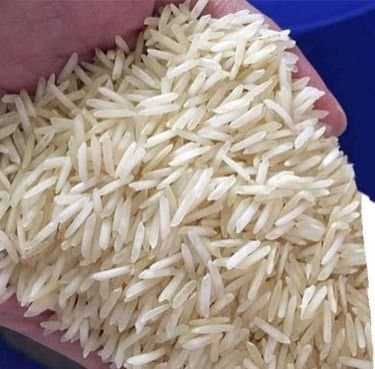
We export 1121 basmati rice, the extra-long-grain variety that reshaped India’s rice trade and the one most international buyers specify by number rather than by name. Its defining property is elongation: grains extend substantially on cooking, which is precisely what buyers serving biryani and pilaf markets are paying for, alongside the aroma that distinguishes basmati from ordinary long-grain rice.
Basmati is supplied in three forms that behave differently and are priced differently, so the first thing to settle in any enquiry is which one you need. Raw rice is milled without heat treatment and carries the most delicate aroma. Steamed rice is lightly processed for firmer grain and lower breakage. Sella, the parboiled form, is soaked and steamed before milling, which hardens the grain, reduces breakage further and yields the golden tint some markets prefer. A buyer asking simply for basmati will be quoted for one of these, and it may not be the one their market wants.
Beyond form, the specifications that move price are average grain length, the proportion of broken grains, moisture content and whether the rice is aged. Ageing improves cooking behaviour and reduces stickiness, so aged rice generally commands a premium over fresh-milled material. If ageing matters to your market, say so at the quotation stage, because it is a sourcing decision rather than something that can be arranged later.
Packing runs from 5 kg retail bags through 25 and 50 kg wholesale sacks, in PP or jute, with buyer-branded packaging available on confirmed orders. Minimum order is 5 metric tons. Shipments carry the full export document set, and quality reports covering grain length, broken percentage and moisture can be arranged before loading.
At a Glance
- Variety
- 1121 Basmati; other varieties on request
- Forms
- Raw, steamed, sella (parboiled)
- Specification
- Grain length, broken %, moisture, aged or fresh-milled
- Packing
- 5 to 50 kg bags, buyer branding available
- MOQ
- 5 Metric Ton
- Key markets
- Saudi Arabia, UAE, Iran, Iraq, Yemen
Basmati Rice Products
Frequently Asked Questions
What is the difference between raw, steamed and sella basmati?
Raw basmati is milled without heat treatment and has the most delicate aroma, but a higher breakage rate. Steamed rice is lightly processed for firmer grain. Sella is parboiled before milling, which hardens the grain, reduces breakage and gives a golden tint. They are priced differently and markets have settled preferences, so name the form you need when you request a quotation.
How much does 1121 basmati elongate on cooking?
Substantial elongation is the characteristic buyers pay for, and it is the practical difference between 1121 and ordinary long-grain rice. Because actual figures vary with the lot, the ageing period and cooking method, we recommend specifying a minimum average grain length in the contract and verifying it by pre-shipment testing rather than relying on a varietal average.
Is aged rice worth the premium?
For most culinary markets, yes. Ageing reduces moisture and changes the starch behaviour, so aged rice cooks drier and separates better, which is what end users judge it on. If your market sells on cooked appearance rather than price alone, the premium is usually recovered. Tell us at the enquiry stage, since aged and fresh-milled material are sourced differently.
What packing and branding options are available?
Standard packing is 5, 10, 25 or 50 kg bags in PP or jute. Buyer-branded packaging, including your own artwork and labelling to your market’s requirements, can be arranged on confirmed orders. Tell us the bag size, material and any labelling rules that apply in your market when you request a quotation.
What is the minimum order quantity for basmati rice?
Five metric tons. Larger container quantities are quoted on request, and because rice stores well it is one of the few products in our range where a smaller trial order followed by a larger programme is straightforward to arrange.
Which documents come with a basmati rice shipment?
The standard export set: commercial invoice, packing list, certificate of origin, phytosanitary certificate and the bill of lading. Where a trade agreement applies to your market, ask for a preferential certificate of origin specifically, since an ordinary certificate proves origin but does not reduce duty.
How is basmati rice priced, and how long is a quotation valid?
Price moves with variety, form, average grain length, broken percentage and whether the rice is aged. Quotations are firmer than for fresh produce because milled rice is storable rather than perishable, but they still track the current crop and market, so confirm before committing to a delivery schedule.
Can you supply basmati varieties other than 1121?
Other varieties can be sourced subject to availability in the current crop. Tell us the variety, the form you need and your volume, and we will confirm what can be arranged for your window rather than quoting against a variety we cannot reliably supply.