
Red Chilli, Export Quality, Direct from Indian Farms
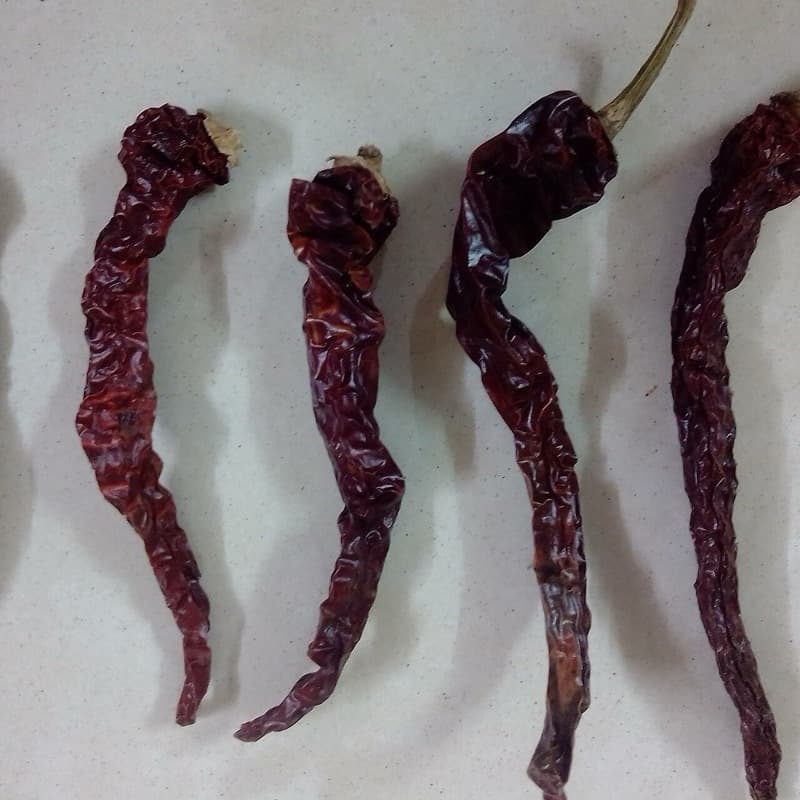
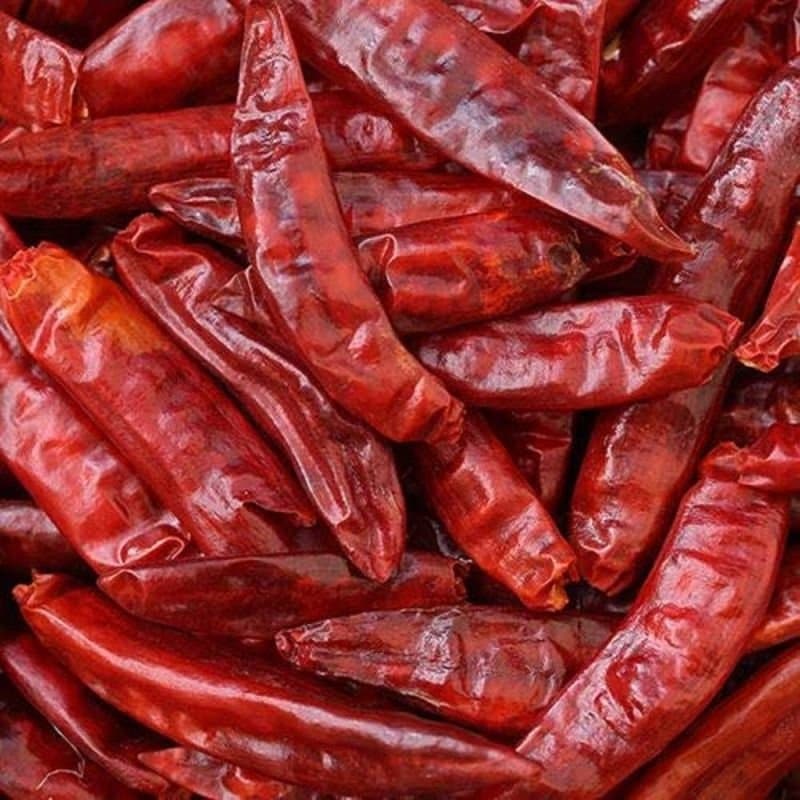
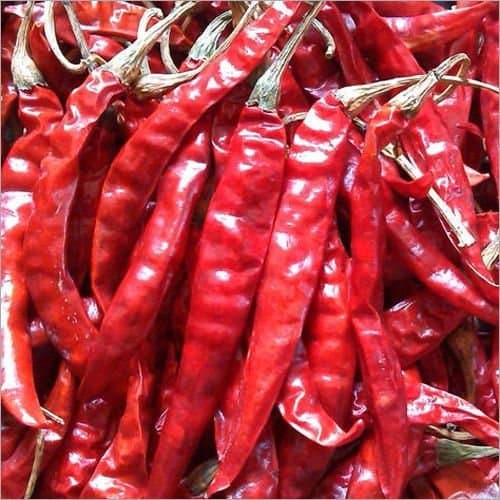
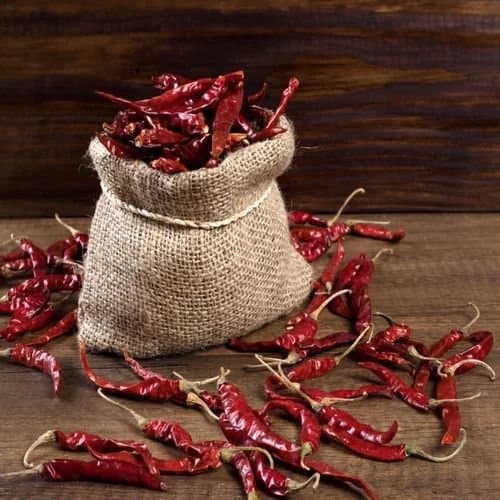
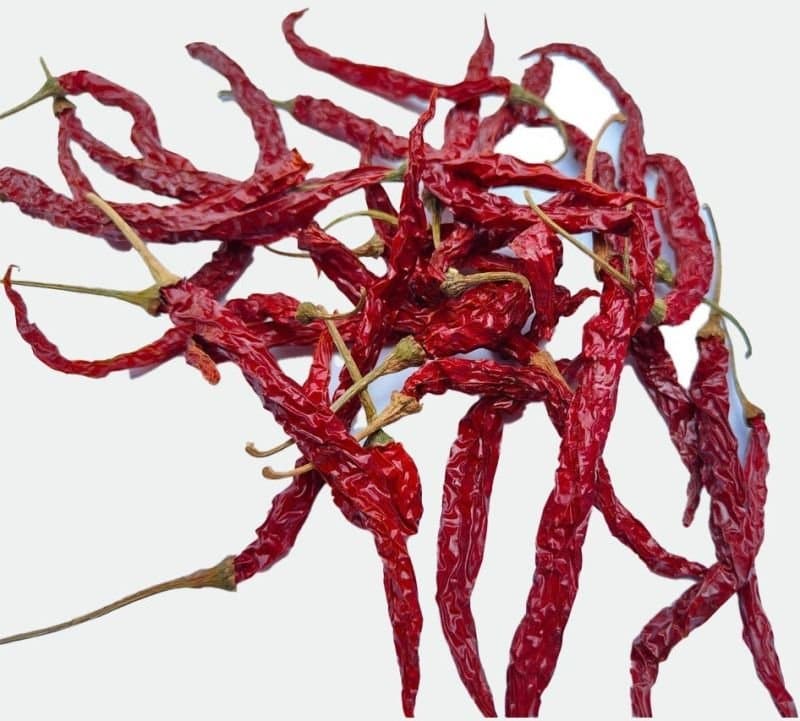
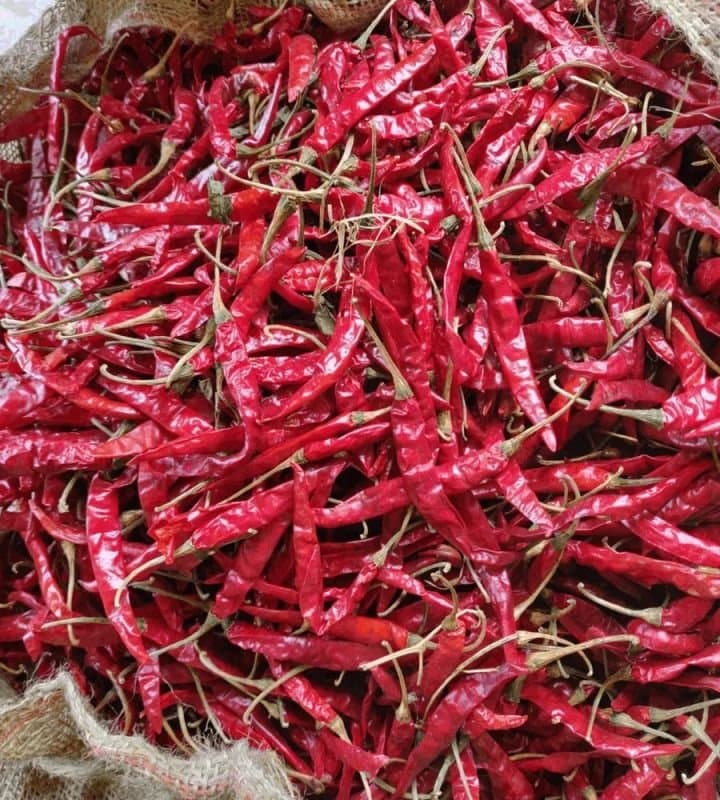
India is the world’s largest producer and exporter of red chilli, and Aarvoyage Global Exim supplies export-grade dry red chilli sourced directly from farms and mandis across India. Our range covers the varieties international buyers ask for by name: Teja S17 for high pungency, Byadgi and Kashmiri where colour matters more than heat, Guntur Sannam (S4) as the high-volume all-rounder, and S10, Endofy and Syngenta 5531 for balanced heat and aroma.
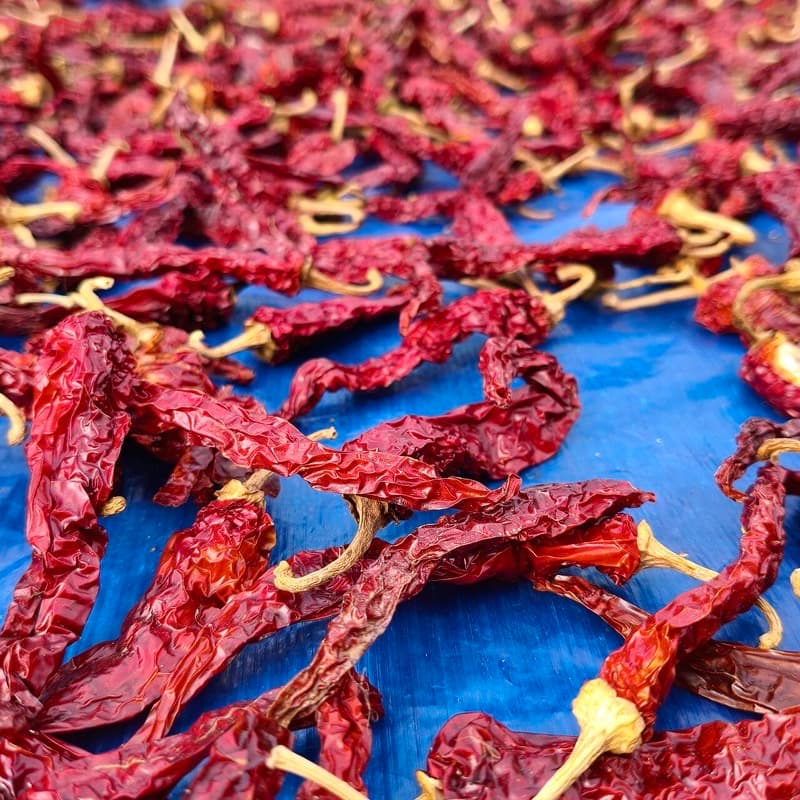
Every lot is sun-dried, sorted and graded before packing. We supply with stem or stemless as required, in 5–50 kg export packing, with moisture and colour value maintained to buyer specification. Whether you need high-Scoville chilli for extraction and food processing or high-ASTA-colour chilli for culinary use, we match the variety to your market.
We ship worldwide with complete export documentation, phytosanitary certificate, certificate of origin, and quality reports on request. Minimum order quantity is 5 metric tons; full-container loads are our standard shipment.
Colour and heat are separate properties, measured separately, and the right variety depends on which one your product needs. The Spices Board of India’s reference values put Byadgi at around 160 ASTA colour units with negligible capsaicin, against roughly 32 ASTA for Guntur Sannam, which is why colour buyers and heat buyers end up ordering different chillies. A contract that names a minimum ASTA value, a pungency range, maximum moisture and an aflatoxin limit protects you far better than a variety name on its own.
The main dry chilli harvest runs from roughly February to May, after which stock moves into cold storage and supplies the trade for the rest of the year. Extractable colour declines steadily in storage even when pods still look bright, so buyers whose price depends on colour value, particularly for Byadgi and Kashmiri types, get the best material by contracting at the front of the season.
At a Glance
- Varieties
- Teja S17, Byadgi, Guntur Sannam S4, Kashmiri, S10, Endofy, Syngenta 5531
- Packing
- 5–50 kg bags, stem / stemless as required
- MOQ
- 5 Metric Ton
- Key markets
- Bangladesh, China, Sri Lanka, Thailand, Vietnam, Malaysia, UAE
- Season
- Harvest Feb–May; supply year-round from cold storage
Red Chilli Products
Frequently Asked Questions
Which red chilli variety should I buy for colour, and which for heat?
They are usually different varieties. Teja S17 is the standard choice for high pungency. Where colour matters more than heat, Byadgi offers very high extractable colour with mild pungency, and Kashmiri gives deep colour with medium heat. Guntur Sannam (S4) sits between the two and is the highest-volume export variety. Buyers needing both properties often blend two varieties rather than searching for one lot that delivers both.
What is the minimum order quantity for red chilli export?
Our MOQ is 5 metric tons. We typically ship full container loads (approximately 12–14 MT per 40 ft container for dry chilli, depending on packing).
Do you provide quality certificates with red chilli shipments?
Yes. Shipments include a phytosanitary certificate and certificate of origin, and we can arrange third-party lab reports for moisture, colour value (ASTA) and aflatoxin on request.
What HS code applies to dry red chilli from India?
Whole dried chilli, neither crushed nor ground, falls under HS subheading 0904.21, with the Indian ITC (HS) code 09042110. Crushed or ground chilli moves to 0904.22, which can carry a different duty rate in your market, so confirm the form you are buying before you calculate landed cost.
What does ASTA colour value measure?
It measures extractable colour, the pigment that actually transfers into your food or extract, not how red the pods look. A sample is ground, the pigment extracted into a solvent and read in a spectrophotometer. Higher numbers mean more colour, and the value falls with storage, light and heat, so it describes a lot at the date of testing.
Is Kashmiri chilli actually grown in Kashmir?
In international trade, Kashmiri usually describes a style, deep red colour with restrained heat, rather than a guaranteed origin. Chilli genuinely grown in the region is produced in small quantity, and Byadgi is routinely supplied against the name. If you need Kashmir origin, say so at enquiry; if you need the colour profile, specifying Byadgi with an ASTA minimum is more precise.
Why does moisture content matter for dry chilli?
Chilli shipped too wet is at risk of mould and aflatoxin over a long sea transit, which can make it unsaleable in regulated markets. Chilli dried too far becomes brittle and breaks up in handling, so you pay for broken material you cannot use. Specify a maximum moisture percentage and have it tested before shipment.
Should I order stem or stemless chilli?
Stemless chilli costs more per kilogram because removing stems takes labour and weight, but every kilogram you receive is usable pod. Chilli with stem is cheaper and normal for markets that sell or process whole pods. If your line grinds the chilli, compare offers on usable weight rather than gross weight.
Can varieties be blended to hit a colour and heat target?
Yes, and it is often cheaper than paying a premium for an unusually strong single-variety lot. Byadgi for colour with Teja for heat is the classic pairing. Give us the target colour and pungency values rather than a fixed ratio, because the ratio depends on what the current crop is testing at.
Which markets buy Indian dry red chilli?
China and Bangladesh take large volumes of high-pungency chilli such as Teja for extraction and processing, while Southeast Asian, Sri Lankan and Gulf buyers take a mix of culinary grades. Chilli is India’s largest spice export by value, so most importing markets have an established route and documentation pattern for it.
Buyer guides: Red Chilli
All export guides →Byadgi, Teja or Guntur? Choosing Indian Dry Red Chilli
Colour and heat are separate properties and they live in different varieties. Which one you need decides everything else, including what you should be paying.
Red ChilliASTA Colour Value: What to Specify When Buying Dry Red Chilli
Colour and heat are separate properties, measured separately, and the best chilli for colour is rarely the best for heat. What to put in your specification.
ComplianceLetters of Credit for Produce Importers: What to Know
The ICC estimates 65 to 80 per cent of presentations are refused first time. On perishable cargo, paperwork delay is not an inconvenience, it is spoilage.