
Importing Onions from India to Bangladesh: A Buyer's Guide
Bangladesh is the largest destination for Indian onion, and the shortest route in the trade. It is also the most exposed to policy change at origin.
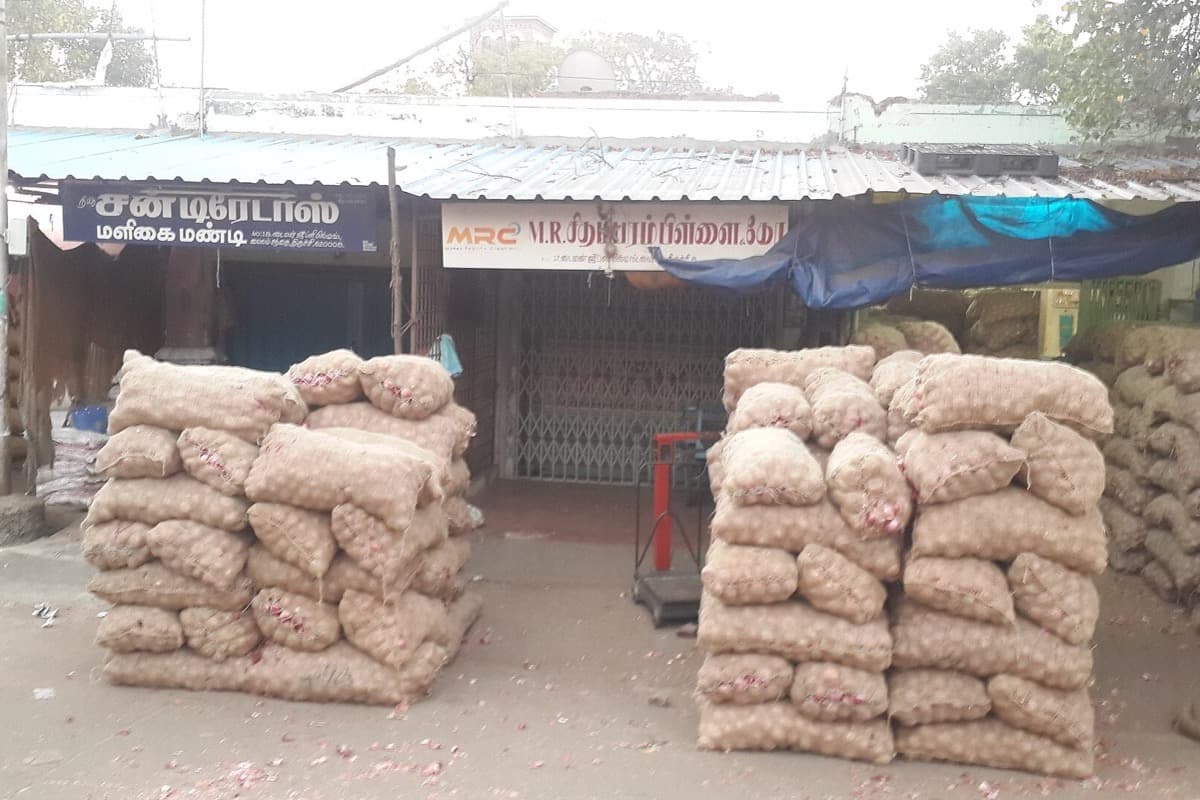
No trade lane in Indian onion matters more than Bangladesh. Proximity, taste preference and consumption volume combine to make it the largest single destination, and for Bangladeshi importers India is not merely the cheapest source but the only one where produce can reach a wholesale market within days of leaving the field.
That closeness is also the risk. The same short supply line that delivers fresh onion quickly transmits Indian policy decisions just as quickly, and buyers who have not planned for that find out during the worst possible week.
Two routes, with different economics
Onion reaches Bangladesh by land or by sea, and the choice is not simply about cost.
| Route | Typical transit | Suits |
|---|---|---|
| Land port (truck) | Days | Smaller lots, fast replenishment, west Bengal sourcing |
| Sea (containerised) | Roughly one to two weeks | Full container loads, Maharashtra and Gujarat sourcing |
Land movement through the border crossings, of which Petrapole on the Indian side and Benapole on the Bangladeshi side is the best known, is the traditional backbone of the trade. It is fast and suits frequent smaller consignments, but it is also where congestion, queueing and sudden policy stoppages bite hardest: trucks can sit for days when something changes.
Sea shipment via Chattogram takes longer but is less exposed to border queues, handles full container quantities more economically, and gives access to the western growing regions where the main rabi crop sits. Buyers running a continuous programme frequently use both, and treat the land route as the responsive channel rather than the default.
Documentation
The export-side document set is standard: phytosanitary certificate, certificate of origin, commercial invoice, packing list and the transport document. On the import side, Bangladesh applies its own food import requirements, and there are two worth raising with your clearing agent early.
- A radiation certificate is required for food imports, certifying the goods have not been exposed to radioactivity. It is a routine document at origin but an easy one to omit if your supplier has not shipped to Bangladesh before.
- Certification from the competent authority of the exporting country is expected for food consignments, so confirm exactly which certificate your customs authority wants to see and in what form.
The policy exposure, and how to manage it
India intervenes in onion exports when domestic prices rise. The mechanisms vary, an export duty, a minimum export price that sets a floor below which shipments cannot be booked, and in the sharpest episodes a temporary prohibition, but the effect on a Bangladeshi buyer is consistent: cost moves, or supply stops, with little warning.
This is the defining commercial feature of the lane and it cannot be eliminated, only planned for.
- Treat onion quotations as short-dated. A price agreed three weeks ahead of loading is not a price, it is an intention.
- Avoid fixed delivered-price contracts that run far ahead, or price them with the policy risk explicitly allocated between the parties.
- Agree in advance what happens if a duty or minimum price is introduced between booking and loading. Silence on this point turns a policy change into a dispute.
- Hold a working relationship with more than one supplier, and ideally across more than one Indian growing region.
- Buy into the rabi window where you can. Fresh, well-cured stock from the main harvest is both better material and less exposed than late-season storage supply.
Sizes, packing and what the market takes
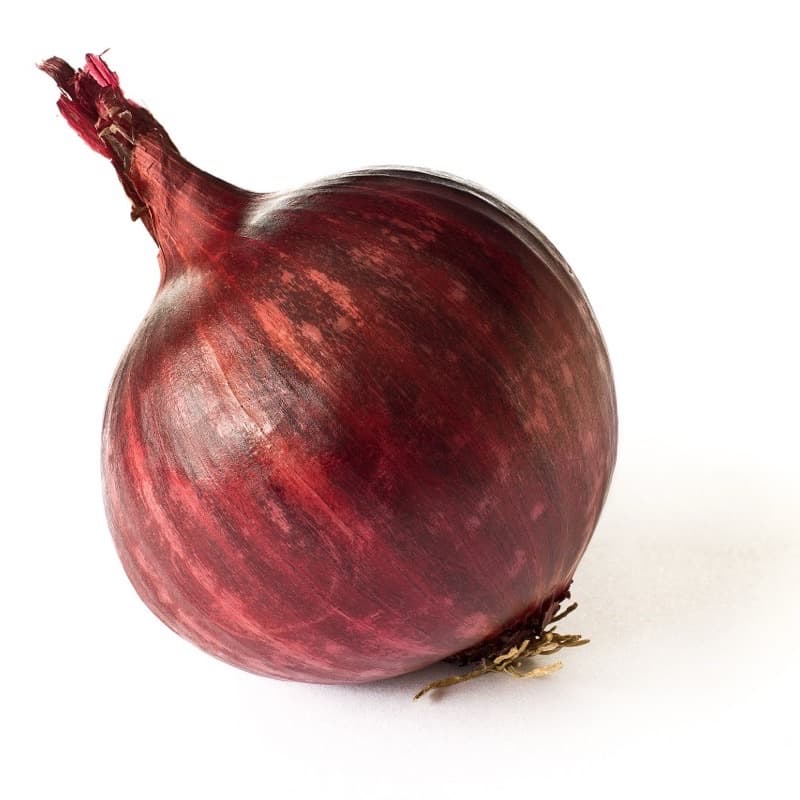
Bangladesh generally works in the standard export grades, and preference tends toward the smaller and medium bands rather than the large sizes some Gulf buyers favour. Specify your band and an acceptable tolerance at the quotation stage rather than assuming a house standard.
Packing is ventilated mesh sacks, commonly in the heavier weights for wholesale distribution. Ventilation is not optional: onions respire, and in the humidity of the delivery season sealed packing produces exactly the neck rot and soft bulbs that destroy margin on arrival.
Timing demand
Consumption is not flat across the year. Demand lifts around major festivals and observances, and prices at origin respond to anticipated buying well before the peak itself. Importers who buy in the week of a peak are competing with everyone else who left it late.
The practical habit is to work backward from your selling window, add realistic transit and clearance time, and place indicative volume with your supplier before the origin market has priced the surge in. This costs nothing and consistently secures both better material and better pricing than arriving mid-window.
Getting a workable quotation
Four things let a supplier quote you accurately the same day: your route preference, land or sea, the size grade you need, your packing weight, and quantity. Add your destination port or land crossing and the intended delivery window, and the quotation you get back will be one you can actually plan against.
Sourcing onion?
We export onion from India
See grades, packing specifications and container capacities, or send us your destination port and quantity for a quotation.
More guides
Importing Onions from India to Malaysia: A Buyer's Guide
Malaysia imports almost all of its onion and India has been its largest supplier. The paperwork that trips up first shipments is not customs, it is FAMA.
MarketsImporting Fresh Produce from India to the UAE
The UAE is the shortest serious export route out of India for fresh produce. What the trade looks like in practice: routes, paperwork, duty and timing.
OnionHow to Import Onions from India: Documents, Duty and Timeline
What an importer actually needs to arrange a first onion shipment from India: the document set, how export policy moves prices, and how long each stage really takes.
ShippingReefer Temperatures for Onion, Banana, Pomegranate and Chilli
The setpoint, humidity and vent settings for each fresh product we ship, why a reefer cannot rescue warm fruit, and the chilling injury that only shows up at destination.