
How to Import Onions from India: Documents, Duty and Timeline
What an importer actually needs to arrange a first onion shipment from India: the document set, how export policy moves prices, and how long each stage really takes.
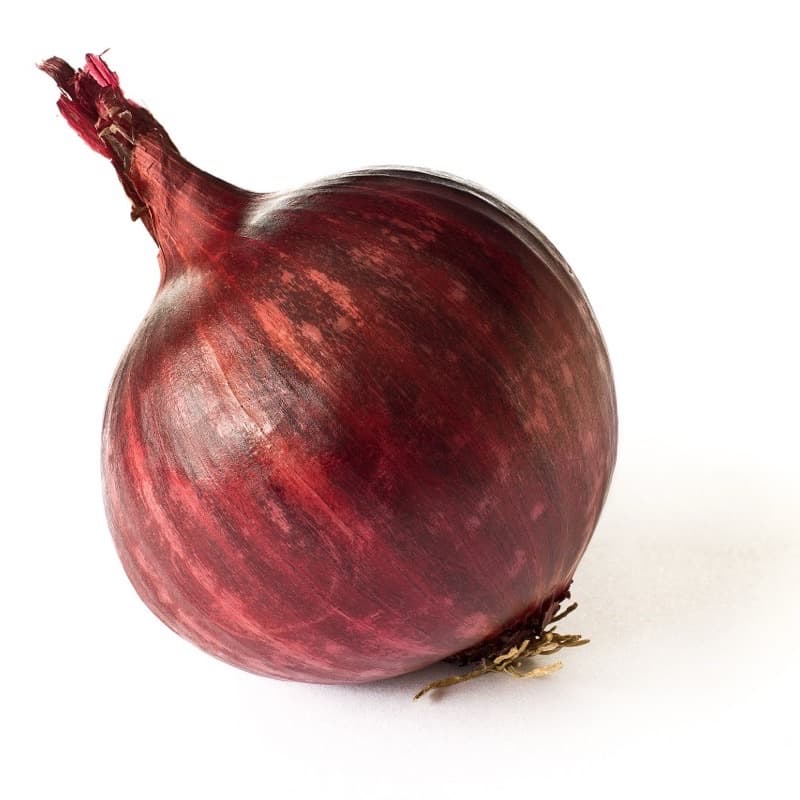
India is one of the largest onion exporters in the world, and for buyers across South and Southeast Asia and the Gulf it is usually the closest large-volume source. The mechanics of a first shipment are straightforward, but two things catch new importers out: the document set is non-negotiable, and Indian export policy on onion changes more often than for most commodities. This guide covers both.
The documents you will receive
Every compliant onion consignment leaving India travels with the same core paperwork. Your supplier arranges these; your job is to check they match your purchase order exactly, because discrepancies cause delays at destination customs.
- Phytosanitary certificate, issued by the Plant Quarantine authority, certifying the consignment is free from pests and disease. Mandatory for all fresh produce.
- Certificate of origin, confirms Indian origin. Where a trade agreement covers your market, ask specifically for a preferential certificate, which can reduce your import duty.
- Commercial invoice, itemised by grade and size, with unit price and Incoterm stated.
- Packing list, bag count, net weight and gross weight per lot.
- Bill of lading, released against your agreed payment terms.
- Fumigation certificate, required by some destination countries; confirm before booking rather than after.
How export policy affects your price
Onion is a politically sensitive commodity in India because it is a staple of the domestic diet. When domestic prices rise, the government has historically intervened in exports, through an export duty, a minimum export price (MEP) that sets a floor below which shipments cannot be booked, or in the sharpest cases a temporary ban. These measures are introduced and withdrawn with little notice.
The practical consequence for a buyer is that an onion quotation has a short shelf life. Treat quotes as valid for a few days rather than a few weeks, and confirm the policy position in force on the day you book rather than relying on what applied to your last shipment. A reputable supplier will tell you unprompted when a policy change affects your landed cost.
Size grades and what your market wants
Indian red onion is graded by diameter, and preference varies sharply by destination. Ordering the wrong grade is one of the more common and more avoidable first-shipment errors.
| Grade | Typical diameter | Commonly preferred by |
|---|---|---|
| Small | 40–45 mm | Sri Lanka, parts of Southeast Asia |
| Medium | 45–55 mm | Gulf markets, Malaysia |
| Large | 55 mm and above | Wholesale and catering buyers, some EU trade |
Specify your grade in writing at the quotation stage, along with acceptable tolerance, most contracts allow a small percentage outside the nominated band. Agreeing this up front avoids arguments at destination when a container is already on the water.
Packing and container capacity
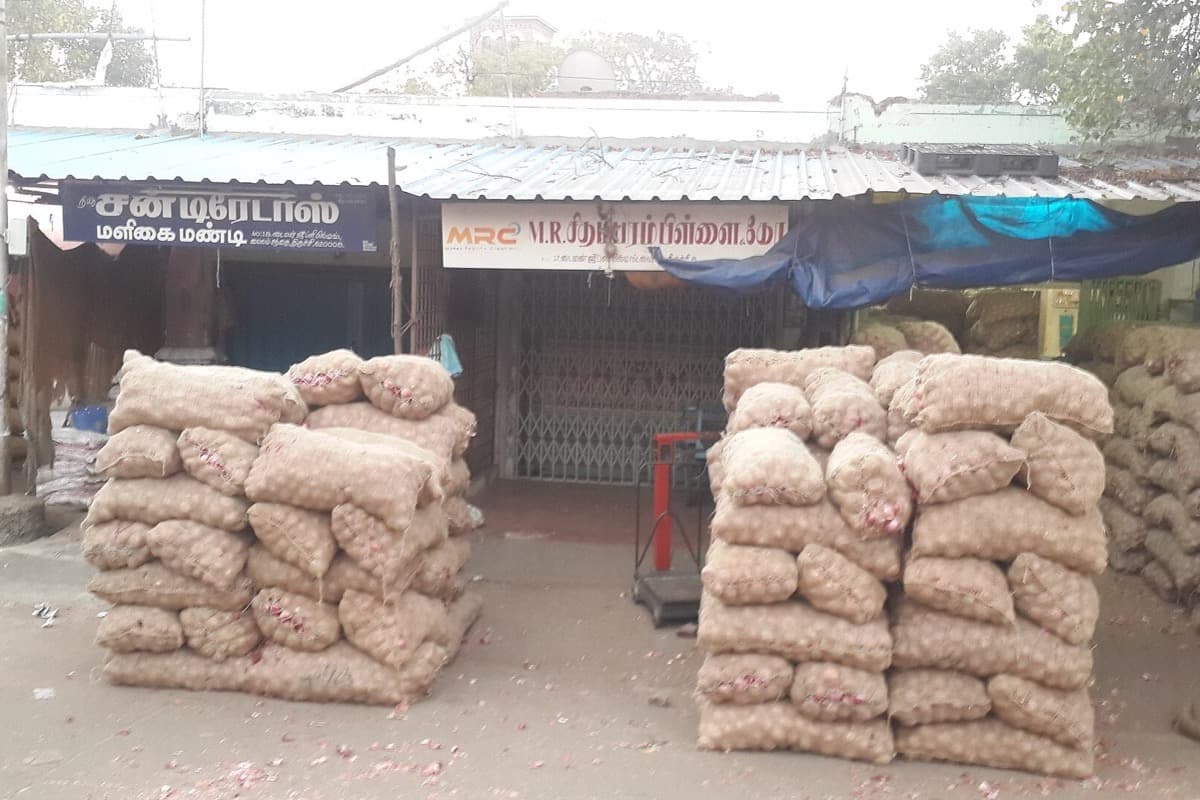
Onions are shipped in ventilated mesh bags, most commonly 5, 10 or 25 kg. Ventilation matters: onions respire in transit, and sealed packing causes moisture build-up and rot. A 40 ft ventilated container typically carries in the region of 27–29 metric tons depending on bag size and stuffing pattern, which makes one container the practical minimum order for most suppliers.
For shorter routes a ventilated dry container is standard. For longer transits or hot-season shipments, discuss whether a reefer at controlled temperature is worth the freight premium for your route.
Quality problems, and what to specify against them
Most onion claims at destination come down to four issues, all of which can be specified against in advance. Writing them into your contract costs nothing and gives you something concrete to inspect on.
- Sprouting, bulbs that have begun to shoot. Usually a sign of stock held too long or stored warm. More common late in the storage season than immediately after harvest.
- Neck rot and soft bulbs, the result of inadequate curing before packing, or moisture trapped in transit. Curing is the step that separates a supplier who ships to specification from one who does not.
- Doubles and splits, bulbs that have divided into two. Cosmetically poor and they store worse. Specify a maximum acceptable percentage.
- Excess skin and dirt, affects both weight and appearance. Agree a tolerance rather than assuming a standard.
A practical contract clause names a maximum percentage for each defect, states who inspects and at what point, and says what happens if a lot falls outside. Most disputes in this trade arise not because a shipment was poor but because nobody agreed in advance what "good" meant.
A realistic timeline
- Enquiry to quotation, usually one working day, quoted FOB or CIF.
- Specification and sample agreement, a few days for a first order; skipped on repeat business.
- Order confirmation and payment instrument, advance transfer clears quickly; a Letter of Credit typically takes about a week to establish.
- Procurement, grading and packing, roughly three to seven days, since fresh produce is bought to the vessel date rather than held in store.
- Documentation, customs and stuffing, two to four days.
- Ocean transit, around 7–12 days to Gulf ports, 12–18 days to Southeast Asia, and longer to Europe.
From first enquiry to arrival, a first shipment realistically takes four to six weeks. Repeat orders compress substantially, because specification and payment terms are already settled.
Getting a quotation
To quote accurately, a supplier needs four things from you: destination port, size grade, packing preference and quantity. Supply those together and you should have a workable price the same day.
Sourcing onion?
We export onion from India
See grades, packing specifications and container capacities, or send us your destination port and quantity for a quotation.
More guides
Importing Onions from India to Malaysia: A Buyer's Guide
Malaysia imports almost all of its onion and India has been its largest supplier. The paperwork that trips up first shipments is not customs, it is FAMA.
MarketsImporting Onions from India to Bangladesh: A Buyer's Guide
Bangladesh is the largest destination for Indian onion, and the shortest route in the trade. It is also the most exposed to policy change at origin.
ComplianceLetters of Credit for Produce Importers: What to Know
The ICC estimates 65 to 80 per cent of presentations are refused first time. On perishable cargo, paperwork delay is not an inconvenience, it is spoilage.
SourcingHow to Verify an Indian Produce Exporter Before You Order
Anyone can build a website and claim to export. Here is what actually distinguishes a working exporter from a broker with a domain name, and how to check it before money moves.