
Indian Agricultural Export Calendar: When to Buy What
Several Indian products are available year-round, but availability and value are not the same thing. When each crop is at its best, and when to commit volume.
India supplies most of its major export crops for most of the year, which leads buyers to treat availability as a constant and buy whenever they happen to need stock. That works, but it leaves money on the table. Availability and value are different things: a crop bought at the front of its window, from new-season material, is a better product at a better price than the same crop bought from the tail of storage.
This calendar sets out when each product is harvested, how long it holds, and what that means for timing an order.
At a glance
| Product | Main harvest | Export availability | Best window |
|---|---|---|---|
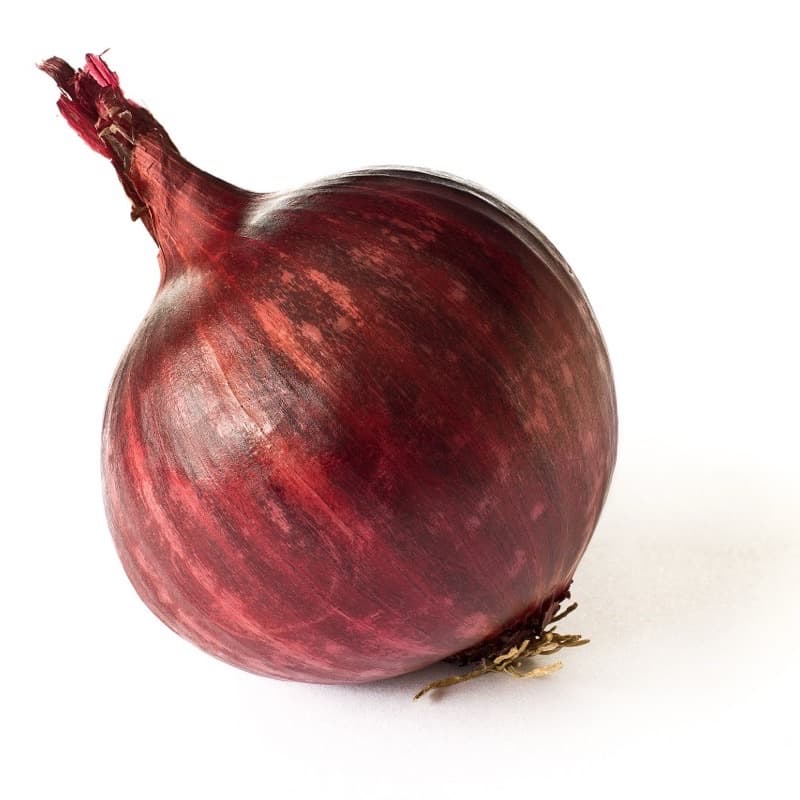
| Onion (red) | Three crops: Oct–Dec, Jan–Mar, Mar–May | Year-round from stored rabi crop | Feb–Jun, from fresh rabi |
| Green chilli | Continuous, region to region | Year-round | Nov–Mar, cooler months |
| Dry red chilli | Feb–May | Year-round from cold storage | Feb–May, new crop |
| Pomegranate | Three bahar cycles | Most of the year | Nov–Feb, Mrig bahar |
| Banana (G9) | Continuous | Year-round | No strong seasonal peak |
| Basmati rice | Oct–Dec | Year-round | Nov onward for new crop |
Onion
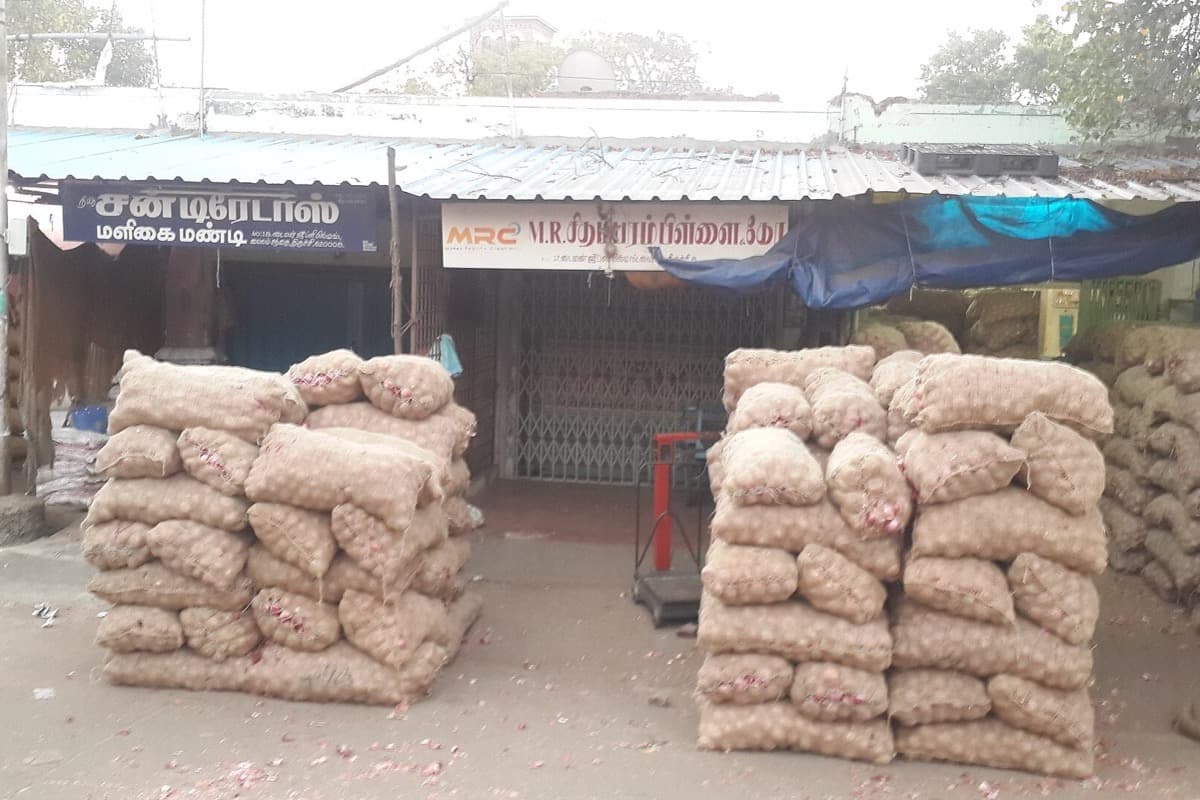
Indian onion runs on three crops a year, which is why it appears permanently available. The distinction that matters commercially is between the kharif crops, harvested from around October and again early in the calendar year, and the rabi crop harvested roughly March to May. Rabi onion stores substantially better and carries the trade through the second half of the year.
For export, the strongest window is the months following the rabi harvest, when fresh, well-cured onion is available in volume. Later in the year, as stored stock ages, both quality and price move against the buyer. Onion is also the product most exposed to Indian export policy, which can shift with domestic supply, a further reason to buy when the market is comfortable rather than tight.
Chilli, green and dry
Fresh green chilli is grown across several states with staggered seasons, so supply is genuinely continuous. Quality is generally strongest in the cooler months from around November to March; monsoon-period fruit is more variable and harder to secure to export grade.
Dry red chilli follows a single main harvest, running roughly February to May, after which the crop moves into cold storage and supplies the trade for the rest of the year. New-crop material carries better colour, and colour degrades in storage, so buyers for whom colour value matters, particularly those purchasing Byadgi or Kashmiri types, should aim at the front of the season rather than the end of it.
Pomegranate
Pomegranate does not follow one annual harvest. Growers induce flowering deliberately in one of three cycles (the bahars) which between them spread fruit across most of the year. The Mrig cycle, harvesting from roughly November to February, carries the largest export volume and the strongest colour, and is the window most export programmes are built around.
The mechanics of this are worth understanding properly if you buy pomegranate regularly, because growers commit blocks to a cycle months ahead and buyers who indicate volume early are in a materially better position.
Banana
Banana is the outlier: production is genuinely continuous, with no harvest window to plan around. Fruit is cut to order against the vessel date rather than drawn from storage, so the constraint on a banana programme is shipping capacity and ripening arrangements at destination, not seasonality at origin.
Basmati rice
Basmati is harvested from around October to December and then available year-round, since milled rice stores well. The seasonal consideration here runs the other way from fresh produce: aged rice generally commands a premium over fresh-milled, because ageing improves cooking behaviour. Buyers wanting new-crop material should be asking from around November; buyers wanting aged rice are buying from the previous season deliberately.
Using the calendar to contract
Knowing the windows is only useful if it changes how you buy. Three practical habits follow from the table above.
- Buy near the front of a window rather than the back. For stored crops (onion, dry chilli, rice) material early in the season is fresher, better in condition and usually better priced than the same nominal product months later.
- Indicate volume before the season starts. Growers and suppliers commit capacity in advance, and a buyer who signals intent early is treated differently from one who appears mid-window looking for containers.
- Do not contract a fixed delivered price far ahead on policy-sensitive crops. Onion and wheat in particular are subject to government intervention that can move your landed cost between booking and loading.
What quality looks like at different points in a window
A crop does not simply run out at the end of its window; it deteriorates gradually, and the specification you can obtain narrows. Late in the onion storage season, a supplier can still fill a container, but a higher proportion of bulbs will be sprouting or soft, and grading to a tight tolerance becomes harder and more expensive. Late-season dry chilli is still perfectly saleable but will typically test lower on colour value than new-crop material.
This is worth understanding because it explains price movements that otherwise look arbitrary. When a supplier quotes higher late in a window for the same nominal grade, they are usually pricing the additional sorting required to hit it, not opportunism.
Planning around the monsoon
The southwest monsoon, broadly June to September, affects fresh produce more than the calendar above suggests. Rain at the wrong point in a growing cycle reduces the proportion of fruit and vegetables that meet export grade, and humidity complicates drying for products like chilli. Where you have flexibility, planning volume outside that window reduces the risk of a supplier struggling to fill an order to specification.
How to use this
Treat the windows above as planning ranges rather than fixed dates, they shift by weeks year to year with rainfall and temperature. The practical habit worth adopting is to discuss the coming season with your supplier before it begins rather than during it. Committing volume early costs nothing and consistently secures better material than arriving mid-window looking for containers.
Sourcing from India?
Products covered in this guide
Grades, packing specifications and container capacities for each, or send us your destination port and quantity for a quotation.
More guides
How to Verify an Indian Produce Exporter Before You Order
Anyone can build a website and claim to export. Here is what actually distinguishes a working exporter from a broker with a domain name, and how to check it before money moves.
ComplianceLetters of Credit for Produce Importers: What to Know
The ICC estimates 65 to 80 per cent of presentations are refused first time. On perishable cargo, paperwork delay is not an inconvenience, it is spoilage.
ComplianceGlobalGAP, HACCP and ISO 22000: A Produce Buyer's Guide
Certificates get demanded, attached to emails and never read. Here is what each scheme actually covers, which ones apply to fresh produce, and how to check any of them in minutes.
ComplianceHS Codes and Import Duty for Indian Fresh Produce
One small field on an invoice sets your duty rate, your regulatory treatment and whether you qualify for preferential access. Most buyers never check it until customs does.