
Importing Fresh Produce from India to the UAE
The UAE is the shortest serious export route out of India for fresh produce. What the trade looks like in practice: routes, paperwork, duty and timing.
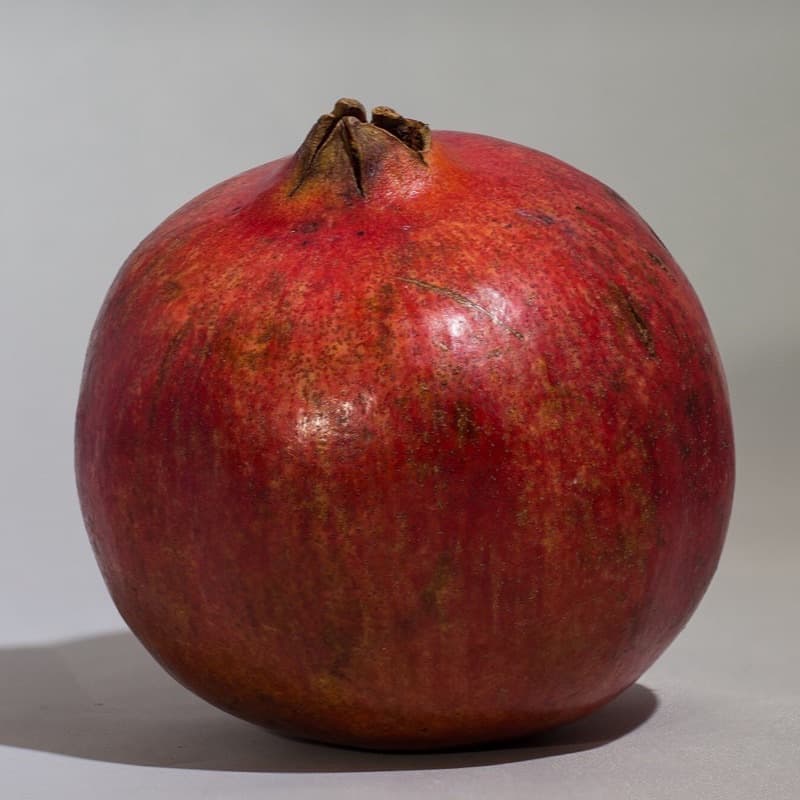
For an Indian exporter of fresh produce, the UAE is the most forgiving major market there is. The sea leg from the west coast of India runs a matter of days rather than weeks, air freight is a short overnight hop, and demand for Indian produce is deep and well established. For an importer, that proximity translates into something concrete: more of the product’s shelf life arrives with you rather than being consumed in transit.
Routes and transit times
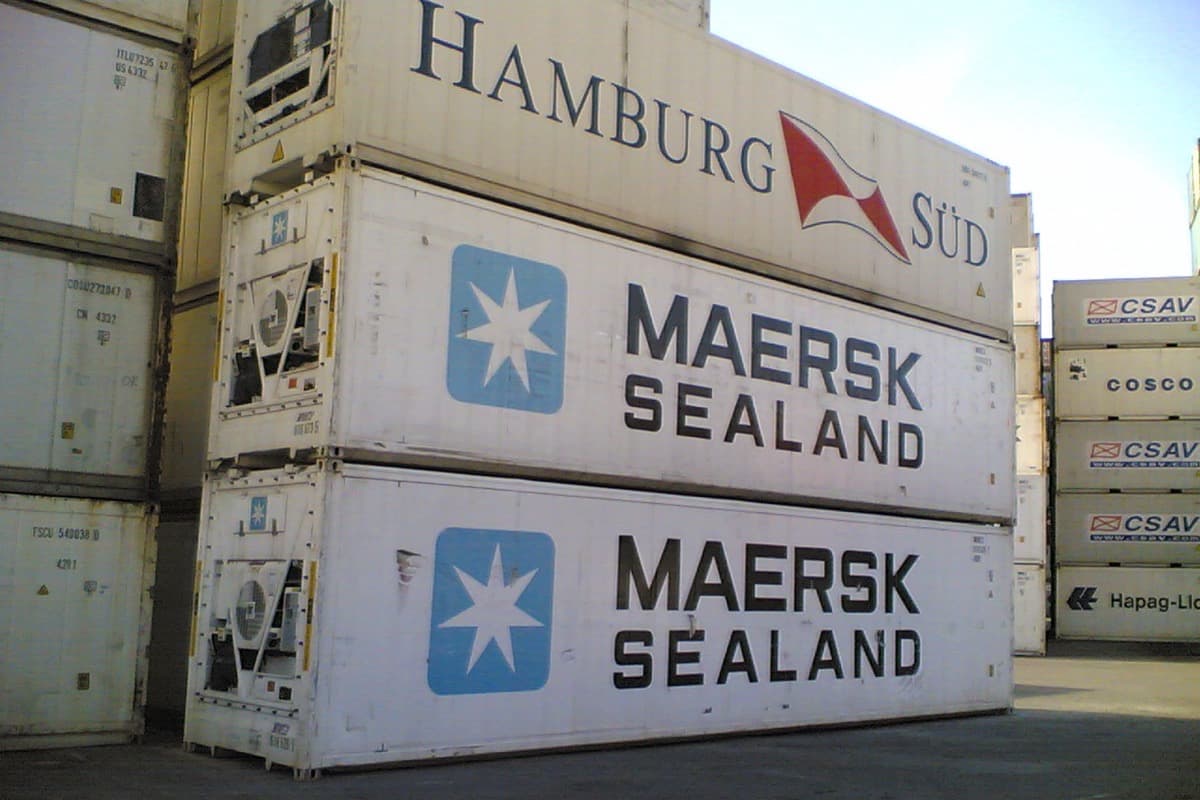
Most sea freight leaves from Nhava Sheva (JNPT) or Mundra on India’s west coast and discharges at Jebel Ali, which handles the bulk of Dubai’s container traffic. Khalifa Port serves Abu Dhabi and Sharjah handles additional volume. Transit is typically under a week, which is short enough that even a fifteen-day product like green chilli can travel by reefer where the cold chain is sound.
Air freight from Mumbai or Delhi into Dubai or Abu Dhabi is a flight of a few hours, with consignments commonly clearing within two to three days door to door. That speed is what makes air viable for the most perishable items and for trial orders, where committing to a full container is premature.
| Mode | Typical transit | Suits |
|---|---|---|
| Air freight | 2–3 days door to door | Green chilli, trial orders, premium retail programmes |
| Reefer container | Around 5–8 days port to port | Pomegranate, banana, volume programmes |
| Ventilated / dry container | Around 5–8 days port to port | Onion and other robust produce |
What travels with the goods
The export-side document set is the same as for any destination: phytosanitary certificate, certificate of origin, commercial invoice, packing list and the bill of lading or airway bill. Fumigation certificates are required for some commodities.
On the import side, the UAE regulates food entry through federal and municipal food-control authorities, and consignments are subject to inspection at the point of entry. In practice this means your customs broker or clearing agent will need the health and origin documentation in order before arrival, and fresh produce is checked against pesticide residue limits.
Duty treatment
The UAE applies the GCC common external tariff, commonly 5% on imported goods, but a broad range of basic foodstuffs is exempt or zero-rated. Whether your specific product attracts duty depends on its HS classification, so confirm the code with your broker at the quotation stage. The difference is material enough to affect which origin you buy from.
Ask your supplier for a preferential certificate of origin where a trade arrangement applies to your goods. It costs nothing to request and may reduce what you pay at entry.
Working with a clearing agent
Almost every successful first shipment into the UAE involves a competent clearing agent, and choosing one badly is a more common cause of trouble than anything that happens at origin. The agent handles entry, presents your documentation, arranges inspection and releases the goods, and for perishable cargo, speed at that stage directly affects what you can sell.
- Confirm the agent has handled your specific product before. Fresh produce clearance differs from general cargo in both paperwork and urgency.
- Establish who collects from the port and how quickly. For reefer cargo, time sitting at the terminal is shelf life spent.
- Agree in advance what happens if documentation is queried at entry, and who is authorised to resolve it.
- Ask the agent to confirm current requirements for your product before you ship rather than after arrival.
Give your supplier the agent’s details early. Documentation prepared to match what the agent expects to present moves considerably faster than documentation that has to be corrected on arrival.
The UAE as a re-export hub
A significant share of what enters the UAE does not stay there. Dubai in particular functions as a regional distribution point, with goods arriving in volume and moving onward to neighbouring markets, parts of East Africa and the wider region.
This matters when you are sizing a first order. A buyer serving only local demand and a buyer distributing regionally have very different volume profiles, and it affects how you plan packing. Re-export cargo may need different labelling or carton marking than goods for the domestic market, which is worth settling with your supplier before production rather than relabelling later.
How demand moves through the year
Two patterns are worth planning around. Ramadan lifts demand for fresh produce sharply, and because it moves earlier by roughly eleven days each year against the Gregorian calendar, the window shifts annually, buyers who order against last year’s dates find themselves late. Volume is typically committed well in advance of it.
The second is summer heat. Ambient temperatures through the hottest months put real strain on the cold chain between discharge and retail, and the margin for a lapse narrows considerably. This is the period when pre-cooling at origin, correct reefer settings and quick collection at the port stop being good practice and start being the difference between a saleable consignment and a claim.
Practical advice for a first shipment
- Confirm your HS code and duty treatment before agreeing a landed price.
- Have your clearing agent verify current import and labelling requirements for your specific product.
- Start with air freight or a single container rather than committing to a programme.
- Agree in writing how arrival condition is assessed, and by whom, before the goods ship.
- Give your supplier the destination port, the grade and the quantity together. That is all that is needed for a same-day quotation.
Sourcing from India?
Products covered in this guide
Grades, packing specifications and container capacities for each, or send us your destination port and quantity for a quotation.
More guides
Letters of Credit for Produce Importers: What to Know
The ICC estimates 65 to 80 per cent of presentations are refused first time. On perishable cargo, paperwork delay is not an inconvenience, it is spoilage.
SourcingHow to Verify an Indian Produce Exporter Before You Order
Anyone can build a website and claim to export. Here is what actually distinguishes a working exporter from a broker with a domain name, and how to check it before money moves.
ShippingIncoterms for Fresh Produce: Who Pays When Cold Chain Fails
The Incoterm decides who pays for the reefer and who carries the loss if the temperature slips. Most fresh-produce buyers discover which, only after a container arrives warm.
ComplianceGlobalGAP, HACCP and ISO 22000: A Produce Buyer's Guide
Certificates get demanded, attached to emails and never read. Here is what each scheme actually covers, which ones apply to fresh produce, and how to check any of them in minutes.