
Importing G9 Bananas from India: Specs and Reefer Settings
Bananas are the least forgiving fruit in the export trade: get the harvest stage or the reefer setting wrong and the container arrives worthless. What to specify, and why.
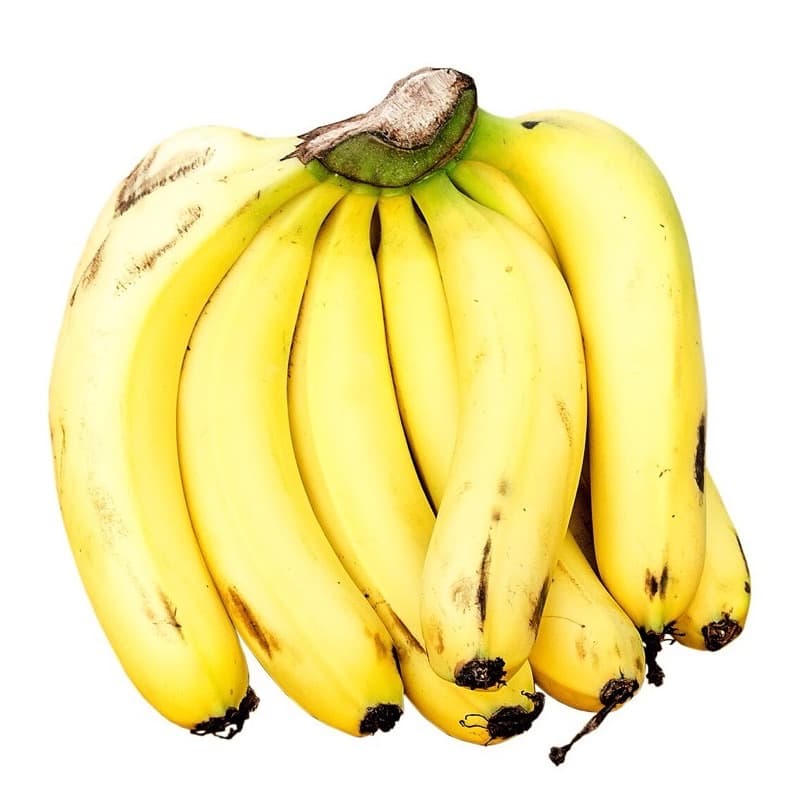
Bananas are among the least forgiving products in the fresh export trade. Most fruit tolerates a degree of imprecision (a day late, a degree warm) and still arrives saleable. Bananas do not. Fruit that begins ripening in transit arrives as a write-off, and fruit held slightly too cold arrives with damage that only becomes visible after it is landed. Almost every rule below exists to prevent one of those two outcomes.
Why fruit ships hard green
Bananas are climacteric: they continue to ripen after harvest, and they do so in response to ethylene, a gas the fruit itself produces. Ripening is therefore not a clock that starts at the packhouse but a chain reaction that accelerates once it begins. The commercial answer is to harvest before that reaction starts and to suppress it throughout the voyage.
Export fruit is cut at hard-green maturity, typically around 75–80%, full in shape but well short of colour change. This is why a container of export bananas looks unappetising at loading. It is meant to. Ripening happens at destination, under control, on a schedule the importer chooses.
What to specify
Banana contracts are written around caliper (the diameter of an individual finger) and finger length, rather than weight per hand. Both are measured on a defined finger of the outer whorl, so agree the measurement convention as well as the number.
| Specification | Commonly required | Why it matters |
|---|---|---|
| Caliper | Around 39–46 mm | Sets the visual grade; markets differ on preferred thickness |
| Finger length | Roughly 15–23 cm | Retail presentation; longer fruit often commands a premium |
| Hands per carton | 4–6 | Affects packing density and handling damage |
| Net carton weight | 13–13.5 kg | The international standard; deviations complicate pricing |
| Harvest stage | Hard green, 75–80% | The single most important variable in arrival condition |
Handling between field and carton matters as much as the numbers. Bunches are de-handed rather than shipped whole, washed to remove latex (which stains fruit and downgrades appearance) treated at the crown where fungal decay begins, then packed with a poly liner that holds humidity and slows moisture loss.
Reefer settings
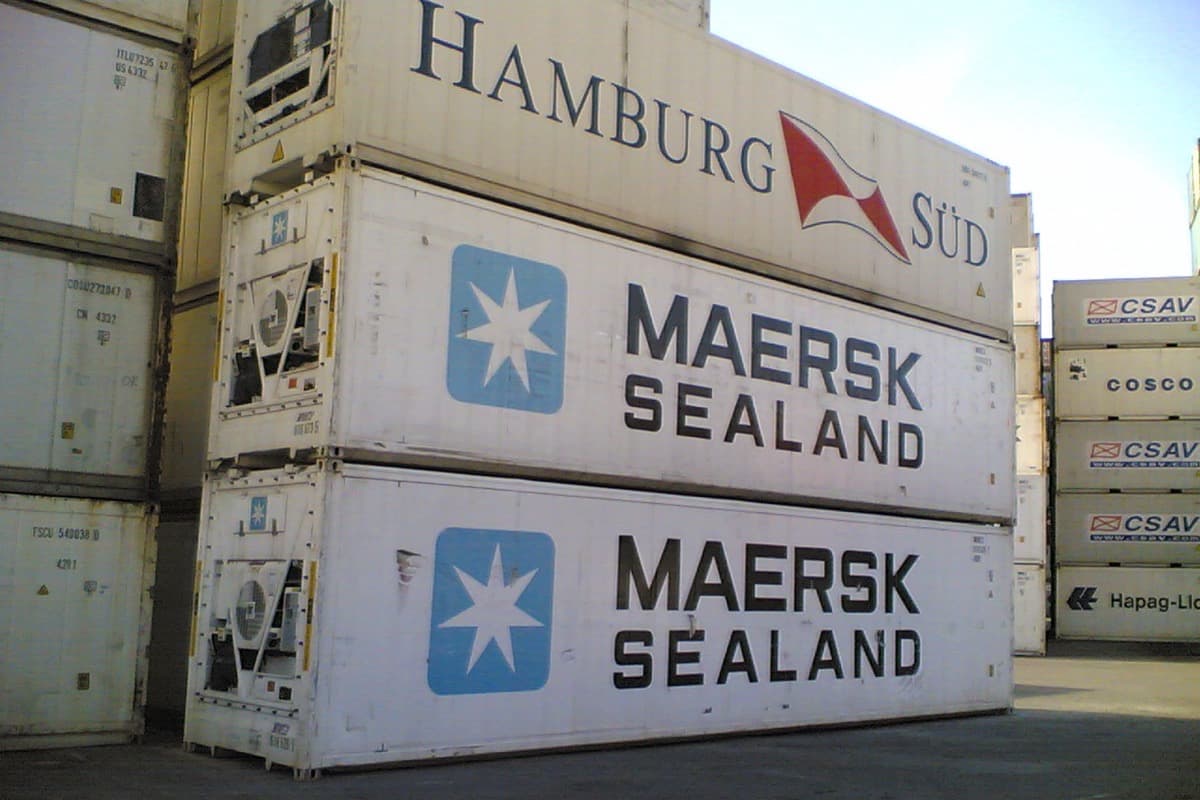
Bananas ship at around 13–14°C. That figure is narrower than it looks, because the danger sits close on both sides. Above the range, ripening begins in transit. Below roughly 13°C, bananas suffer chilling injury, a physiological damage that dulls the skin and prevents the fruit ripening properly afterwards.
Alongside temperature, reefers run controlled ventilation to remove the carbon dioxide and ethylene the fruit generates, and hold high relative humidity to limit moisture loss. Under these conditions G9 holds roughly thirty to forty days of transit and storage life, which comfortably covers Gulf and Middle East routes from Indian ports.
What goes wrong, and when you find out
Banana claims cluster around a small number of failures. Knowing how each one presents is useful, because they surface at different points and only some are visible at discharge.
| Problem | Cause | When it shows |
|---|---|---|
| Ripening in transit | Set point too warm, or fruit cut too mature | At discharge, visible immediately |
| Chilling injury | Held below roughly 13°C | In the ripening room, after acceptance |
| Crown rot | Inadequate treatment after de-handing | Late in transit or during ripening |
| Bruising and neck damage | Rough handling at packing or stuffing | At discharge, on unpacking |
| Uneven ripening | Mixed maturity in one container | In the ripening room |
Chilling injury deserves particular attention because of its timing. Fruit looks acceptable when the container opens, so the consignment is accepted, and the damage only becomes apparent days later when it will not ripen evenly. By then the commercial position is much weaker. Confirm the set point in writing with the carrier before loading, and keep the temperature record from the voyage.
Container capacity and order size
A 40 ft reefer carries approximately 1,540 cartons, or around 20 metric tons. Because the economics of reefer freight and the handling requirements both favour full loads, one container is the practical minimum order, banana is not a product that ships sensibly in part loads.
Cutting is scheduled against the vessel date rather than in advance. Fruit held in the packhouse waiting for a booking is fruit consuming its own transit life, so a supplier who cuts to your sailing is protecting your arrival condition, not being inflexible.
Ripening at destination
Green fruit is ripened in sealed rooms where ethylene is introduced deliberately, temperature is raised and airflow is managed. A typical cycle runs about four to seven days, and importers select where on the standard colour scale (from fully green through to fully yellow) the fruit leaves the room, according to how far it still has to travel to the shelf.
This is worth confirming before your first shipment: importing green bananas requires access to ripening capacity, whether your own or a service provider’s. Buyers occasionally arrange a first container before securing ripening, and green fruit with nowhere to go deteriorates on an unhelpful schedule.
Where India fits
India is the world’s largest banana producer by a wide margin, though historically it has exported a small fraction of what it grows, with most production consumed domestically. That share has been rising, and for buyers in Iran, Iraq and the Gulf the appeal is straightforward: short sea routes, competitive origin pricing and growing availability of fruit grown to export specification.
For a first order, agree caliper, length, carton weight, harvest stage and reefer set point in writing, and confirm your ripening arrangements at destination. Those five things determine almost everything about how the container arrives.
Sourcing banana?
We export banana from India
See grades, packing specifications and container capacities, or send us your destination port and quantity for a quotation.
More guides
Letters of Credit for Produce Importers: What to Know
The ICC estimates 65 to 80 per cent of presentations are refused first time. On perishable cargo, paperwork delay is not an inconvenience, it is spoilage.
SourcingHow to Verify an Indian Produce Exporter Before You Order
Anyone can build a website and claim to export. Here is what actually distinguishes a working exporter from a broker with a domain name, and how to check it before money moves.
ShippingIncoterms for Fresh Produce: Who Pays When Cold Chain Fails
The Incoterm decides who pays for the reefer and who carries the loss if the temperature slips. Most fresh-produce buyers discover which, only after a container arrives warm.
ComplianceGlobalGAP, HACCP and ISO 22000: A Produce Buyer's Guide
Certificates get demanded, attached to emails and never read. Here is what each scheme actually covers, which ones apply to fresh produce, and how to check any of them in minutes.