
ASTA Colour Value: What to Specify When Buying Dry Red Chilli
Colour and heat are separate properties, measured separately, and the best chilli for colour is rarely the best for heat. What to put in your specification.
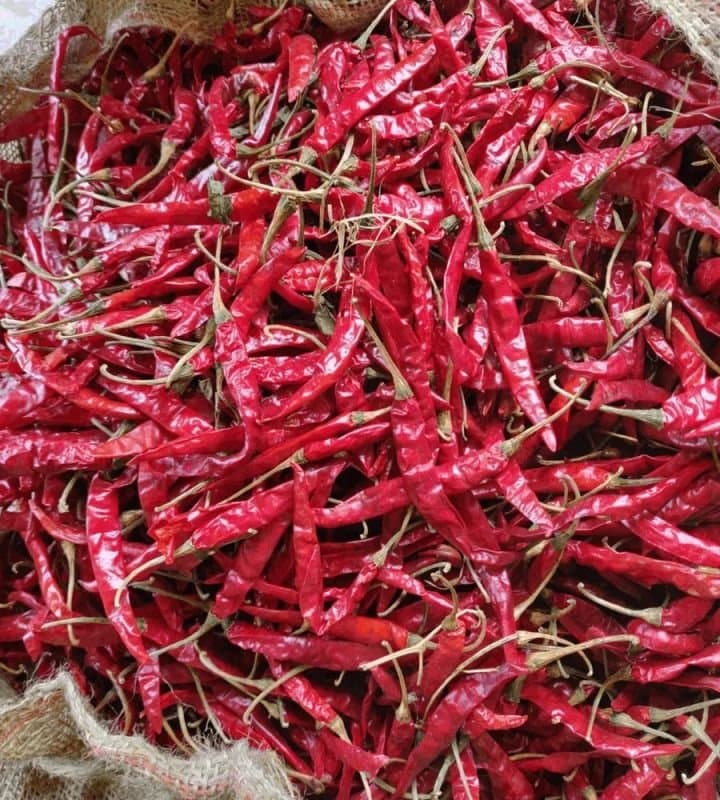
Dry red chilli is bought on two properties that buyers regularly conflate: how red it is, and how hot it is. They are measured differently, they come from different compounds, and the varieties that excel at one are usually unremarkable at the other. Writing a specification that names both (rather than simply asking for "good quality red chilli") is the difference between getting what your process needs and arguing about a shipment after it arrives.
Colour: the ASTA value
Colour is reported as an ASTA value, a standard published by the American Spice Trade Association. It measures extractable colour (the pigment that will actually transfer into your food or extract) rather than how red the pod looks to the eye. Higher numbers mean more extractable colour.
This distinction matters because surface appearance can mislead. A pod can look intensely red and still carry modest extractable colour, particularly if it has been sun-bleached or stored badly. Colour also degrades over time with exposure to light, heat and oxygen, so an ASTA value is a measurement at a point in time, not a permanent property of the lot.
Heat: Scoville units and capsaicin
Pungency comes from capsaicinoids and is reported either in Scoville Heat Units (SHU) or as a direct capsaicin percentage. Modern testing measures capsaicinoid content in the laboratory and converts to SHU, rather than relying on the original taste-panel method the scale is named after.
For food processing, extraction and blending, capsaicin percentage is often the more useful figure because it converts directly into formulation calculations. For culinary and retail buyers, SHU is the more familiar unit. Ask for whichever your process actually uses.
How the main Indian varieties differ
| Variety | Bought principally for | Heat character |
|---|---|---|
| Kashmiri | Deep colour with restrained heat | Mild to medium |
| Byadgi | Very high extractable colour | Mild |
| Teja (S17) | High pungency; widely used for extraction | Hot to very hot |
| S10 / Guntur types | Balance of colour and heat | Medium to hot |
| Syngenta 5531 | General culinary use | Medium |
The pattern is consistent: colour varieties are mild, heat varieties are moderate in colour. Buyers who need both frequently blend two varieties rather than searching for a single lot that delivers both, and blending to a target specification is a normal request to put to a supplier.
How colour is actually measured
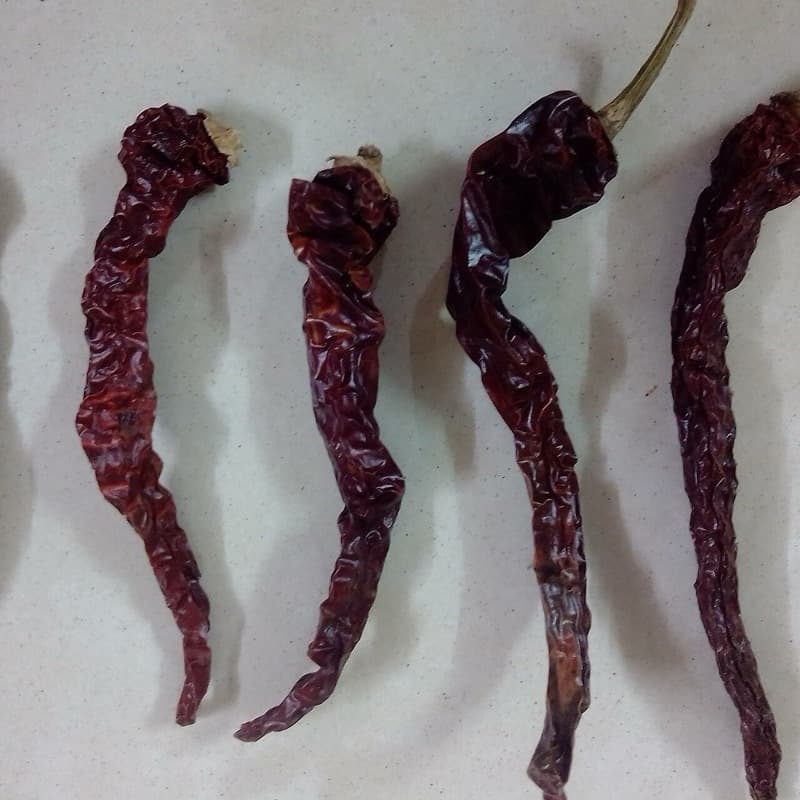
An ASTA value is not read off the pod. A sample is ground, the pigment extracted into a solvent, and the extract measured in a spectrophotometer against a reference. That matters to a buyer for one practical reason: the number describes the ground, extracted product, not the appearance of whole pods in a bag.
This is why buyers who judge a lot by eye and buyers who test it sometimes disagree. Surface redness is affected by the drying method and by how recently the chilli was harvested; extractable colour is a chemical property that degrades steadily in storage regardless of how the pod looks. A lot that photographs beautifully after nine months in a warehouse can test well below a duller-looking new-crop lot.
Moisture: the specification buyers most often omit
Moisture content is routinely left out of chilli contracts and routinely causes problems. Too high, and the lot is at risk of mould and aflatoxin during a long sea transit, which can render it unsaleable in regulated markets. Too low, and pods become brittle, break up in handling, and you pay for broken material you cannot use.
Specify a maximum moisture percentage and have it tested before shipment. If your destination market regulates aflatoxin (most do) the limit is set by your regulator, not by the origin, so state the figure you need rather than assuming a supplier knows your market.
Blending to a target
Because colour and heat sit in different varieties, buyers needing both routinely blend rather than searching for a single lot that delivers both. A common approach pairs a colour variety such as Byadgi with a pungency variety such as Teja, in a ratio worked back from the target specification.
This is a normal request to put to a supplier, and it is usually cheaper than paying a premium for an unusually good single-variety lot. Give the target values rather than the ratio: the ratio depends on what the current crop is actually testing at, which changes season to season.
The rest of the specification
Colour and heat are the headline properties, but a complete contract specification should also cover:
- Moisture content, critical to shelf life and mould risk; typically specified as a maximum percentage.
- Stem or stemless, affects both usable weight and your processing line.
- Broken and damaged percentage, the maximum proportion of damaged pods you will accept.
- Aflatoxin limits, regulated in most import markets; the applicable limit is set by your destination, not the origin.
- Pesticide residue (MRL), again set by destination regulation, with the EU generally the strictest.
- Packing, bag size and material, and whether you need buyer-branded packaging.
Verifying what you contracted for
For a first shipment, or any contract where specification is tight, arrange pre-shipment testing at an accredited laboratory and appoint a third-party inspection agency. This is routine in the spice trade and no reputable supplier will object to it. Agree who bears the cost, and what happens if a lot tests outside specification, before the goods are packed rather than after.
Where colour value or pungency genuinely drives your economics, write the test method and the acceptable range into the contract itself. A specification that exists only in email is difficult to enforce once a container has sailed.
Sourcing red chilli?
We export red chilli from India
See grades, packing specifications and container capacities, or send us your destination port and quantity for a quotation.
More guides
Byadgi, Teja or Guntur? Choosing Indian Dry Red Chilli
Colour and heat are separate properties and they live in different varieties. Which one you need decides everything else, including what you should be paying.
ComplianceLetters of Credit for Produce Importers: What to Know
The ICC estimates 65 to 80 per cent of presentations are refused first time. On perishable cargo, paperwork delay is not an inconvenience, it is spoilage.
SourcingHow to Verify an Indian Produce Exporter Before You Order
Anyone can build a website and claim to export. Here is what actually distinguishes a working exporter from a broker with a domain name, and how to check it before money moves.
ComplianceGlobalGAP, HACCP and ISO 22000: A Produce Buyer's Guide
Certificates get demanded, attached to emails and never read. Here is what each scheme actually covers, which ones apply to fresh produce, and how to check any of them in minutes.