
Phytosanitary Certificates from India: A Buyer’s Guide
What the certificate actually proves, who issues it in India and how, the faults that get consignments held, and how to check one before your goods arrive.
Key takeaways
- A phytosanitary certificate is an official statement that a consignment was inspected and found free of the pests your country regulates. It covers plant health only.
- In India it is issued by the Directorate of Plant Protection, Quarantine and Storage (DPPQS) through its online PQMS system, after inspection by plant quarantine officers.
- It does not certify pesticide residues, aflatoxin, quality or food safety. Those need separate laboratory reports or certificates.
- Under the international standard, ISPM 12, a certificate with unstamped alterations, an expired validity, inconsistent details or an uncertified copy is invalid.
- Importers can look up an Indian certificate by its number on the PQMS portal, and India has exchanged electronic ePhytos since early 2023.
Every consignment of fresh produce or dry chilli that leaves India for a commercial buyer travels with a phytosanitary certificate. Most importers know they need one. Fewer know what it actually certifies, what it leaves out, or how to check it, and those gaps account for a large share of consignments held at destination.
This guide explains the certificate from the buyer’s side: what it proves, how India issues it, what the international standard says makes one invalid, and the checks worth running before a container arrives.
What is a phytosanitary certificate?
A phytosanitary certificate is an official document issued by the plant protection authority of the exporting country. It confirms that a consignment of plants or plant products has been inspected or tested according to official procedures and is considered free from the quarantine pests specified by the importing country. Its format follows an international standard, ISPM 12, adopted under the International Plant Protection Convention and last revised in 2022.
The key words are plant health. The certificate exists to stop pests and diseases moving between countries, and nothing else. ISPM 12 says a certificate should contain only phytosanitary information, and should not include statements about human or animal health, pesticide residues, quality or commercial matters.
Who issues phytosanitary certificates in India?
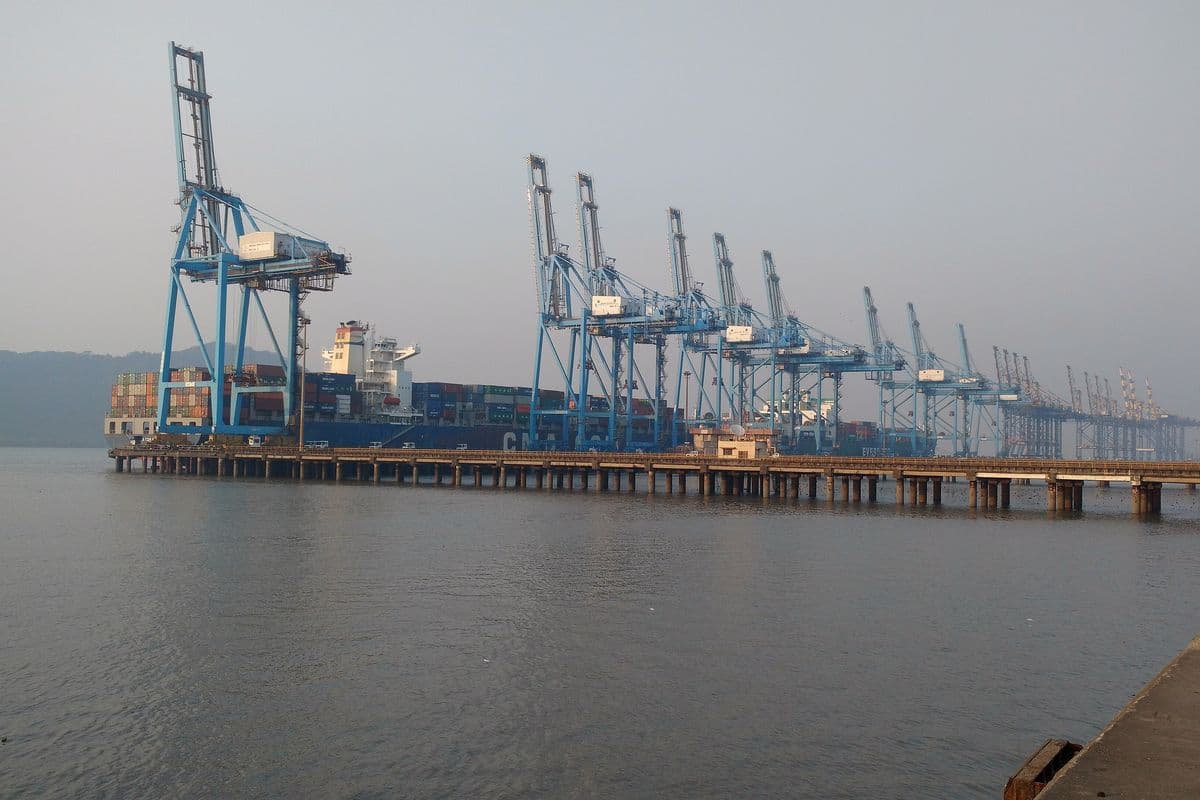
India’s national plant protection organisation is the Directorate of Plant Protection, Quarantine and Storage, known as DPPQS, under the Ministry of Agriculture and Farmers Welfare. Certificates are issued by its plant quarantine officers, who inspect export consignments at sea ports, airports and inland container depots.
Applications are made online through the Plant Quarantine Management System, PQMS, at pqms.cgg.gov.in, and the portal notes that applications can also be filed through India’s National Single Window System. Exporters register once, with their Import Export Code verified at registration, and then apply for each shipment.
How is a phytosanitary certificate issued?
For a typical fresh produce shipment, the sequence runs like this.
- The exporter files an online application with the shipment details: product, botanical name, quantity, number of packages, consignee and point of entry.
- Plant quarantine officers inspect the consignment, and draw samples where the product or the importing country requires testing.
- Any treatment the importing country requires, such as fumigation, is carried out and recorded.
- The officer checks the consignment against the importing country’s requirements, including any additional declarations it asks for.
- The certificate is issued with a unique number, signed and stamped, and sent with the shipping documents or electronically.
The importing country’s rules drive every step. If your country requires a particular treatment or declaration, tell your exporter at the enquiry stage, because it has to be done before the certificate can say so.
What does the certificate contain?
The layout follows the ISPM 12 model, so a certificate from India reads like one from any other member country. These are the sections a buyer should read.
| Section | What it shows |
|---|---|
| Description of consignment | Exporter, declared consignee, number and description of packages, distinguishing marks, place of origin, means of conveyance, point of entry, produce name, quantity and botanical name |
| Certifying statement | That the consignment was inspected or tested and is considered free of the quarantine pests your country specifies |
| Additional declaration | Extra statements your country requires, such as freedom from a named pest or origin from a pest-free area |
| Treatment | Any disinfestation or disinfection carried out, with the method, chemical, duration and temperature |
| Authorisation | Place and date of issue, name of the authorised officer, signature and the official stamp of the issuing authority |
What makes a phytosanitary certificate invalid?
ISPM 12 distinguishes certificates that are fraudulent from those that are merely invalid. Certificates issued on unauthorised forms, not dated, stamped and signed by the issuing authority, or issued by someone who is not an authorised public officer are fraudulent. The more common problem is a genuine certificate that is invalid, which under the standard includes one that has:
- Incomplete, incorrect, false, misleading, conflicting or inconsistent information.
- Wording that departs from the model certificate, or information added by unauthorised persons.
- Alterations or deletions that are not stamped, dated or countersigned.
- An expired period of validity.
- Illegible content, or is a copy that has not been certified.
- For an electronic certificate, been sent through a channel the issuing authority has not authorised.
- Certified a product the importing country prohibits.
In practice, consignments are held far more often for mismatches than for fraud: a botanical name that differs from the import permit, a package count that disagrees with the packing list, or a required additional declaration that was left off.
What does a phytosanitary certificate not cover?
It does not cover pesticide residues, aflatoxin, microbiological safety, quality grade or labelling. Those are food safety and commercial matters, handled by other documents. For dry chilli entering the EU or UK, for example, buyers need laboratory results against pesticide and contaminant limits, and in some cases an official certificate of sampling and analysis, alongside the phytosanitary certificate rather than in place of it.
The same goes for commercial paperwork. ISPM 12 allows notes that cross-reference a letter of credit or bill of lading, but those documents are not part of the certificate. Under a letter of credit, though, the phytosanitary certificate is usually one of the documents the bank examines, so its details need to match the credit exactly.
How can an importer check an Indian phytosanitary certificate?
There are four practical checks, and the first two take a few minutes.
- Look the certificate up. The PQMS portal has a public Search Certificate function that takes a phytosanitary certificate number.
- Ask whether it can travel electronically. India began exchanging electronic certificates, known as ePhytos, through the IPPC ePhyto Hub in early 2023. If your country’s plant protection authority uses the hub, an ePhyto removes the risk of a lost or altered paper original.
- Match the details. Compare consignee, botanical name, quantity, package count and marks with the commercial invoice, packing list and bill of lading.
- Check the declarations. Confirm that every additional declaration and treatment your import permit requires is printed on the certificate.
Can the consignee be left open if the cargo is sold in transit?
Sometimes. ISPM 12 allows “To order” in place of a named consignee when the buyer is not yet known, but only where the importing country’s plant protection authority permits it, and the importing country may also require a consignee address within its own territory. Traders who sell cargo while it is on the water should check this before shipment, because a certificate made out in a way the destination does not accept is a common reason for a hold.
Electronic certificates shift the timing in the buyer’s favour. An ePhyto’s data can reach the importing country well before the consignment does, which lets the authority verify it before arrival. For that reason the standard encourages authorities to ask for a named contact person in the importing country on electronic certificates, rather than accepting “To order”.
What should you ask your exporter before the first shipment?
- Your country’s current import conditions for the product, including any permit, additional declaration or treatment.
- The exact product description and botanical name that will appear on the certificate.
- A certificate from a previous shipment to your country, with personal details removed, if they have one.
- Whether the certificate will be issued as an ePhyto, a paper original, or both.
- The certificate number as soon as it is issued, so you can check it before the vessel arrives.
An exporter who ships regularly to your market will answer all five without hesitation. Our guide to verifying an Indian produce exporter covers the wider checks worth running before a first order.
Sources & further reading
- ISPM 12: Phytosanitary certificates · International Plant Protection Convention, adopted 2022
- New milestone reached as three million IPPC ePhyto certificates exchanged · IPPC, January 2023
- Plant Quarantine Management System (PQMS) · Directorate of Plant Protection, Quarantine and Storage, Government of India
- National Single Window System · Government of India
Frequently asked questions
Is a phytosanitary certificate required to import onions from India?
In almost every market, yes. Fresh onions are a plant product, and importing countries require an official phytosanitary certificate from the exporting country’s plant protection authority. Your own country’s import conditions set any additional declarations or treatments.
Who issues phytosanitary certificates in India?
The Directorate of Plant Protection, Quarantine and Storage (DPPQS), India’s national plant protection organisation under the Ministry of Agriculture and Farmers Welfare. Applications are made through its online PQMS system.
Can I verify an Indian phytosanitary certificate online?
Yes. The PQMS portal at pqms.cgg.gov.in has a Search Certificate function that takes the certificate number. Ask your exporter for the number as soon as the certificate is issued.
Does a phytosanitary certificate cover pesticide residues?
No. It certifies plant health, meaning freedom from regulated pests and diseases. Pesticide residues, aflatoxin and other food safety requirements are covered by separate laboratory reports or official certificates.
What is an additional declaration on a phytosanitary certificate?
A statement the importing country requires beyond the standard certification, such as freedom from a named pest or origin from a pest-free area. It must appear in the additional declaration section, worded as your import conditions specify.
What is a phytosanitary certificate for re-export?
A certificate issued when a consignment imported into one country is shipped on to another. ISPM 12 provides a separate model for it, and it is issued with reference to the original certificate from the country of origin.
Sourcing from India?
Products covered in this guide
Grades, packing specifications and container capacities for each, or send us your destination port and quantity for a quotation.
More guides
Letters of Credit for Produce Importers: What to Know
The ICC estimates 65 to 80 per cent of presentations are refused first time. On perishable cargo, paperwork delay is not an inconvenience, it is spoilage.
ComplianceGlobalGAP, HACCP and ISO 22000: A Produce Buyer's Guide
Certificates get demanded, attached to emails and never read. Here is what each scheme actually covers, which ones apply to fresh produce, and how to check any of them in minutes.
ComplianceHS Codes and Import Duty for Indian Fresh Produce
One small field on an invoice sets your duty rate, your regulatory treatment and whether you qualify for preferential access. Most buyers never check it until customs does.
ShippingReefer Temperatures for Onion, Banana, Pomegranate and Chilli
The setpoint, humidity and vent settings for each fresh product we ship, why a reefer cannot rescue warm fruit, and the chilling injury that only shows up at destination.