
Nashik Grapes, Seedless Table Grapes for Export
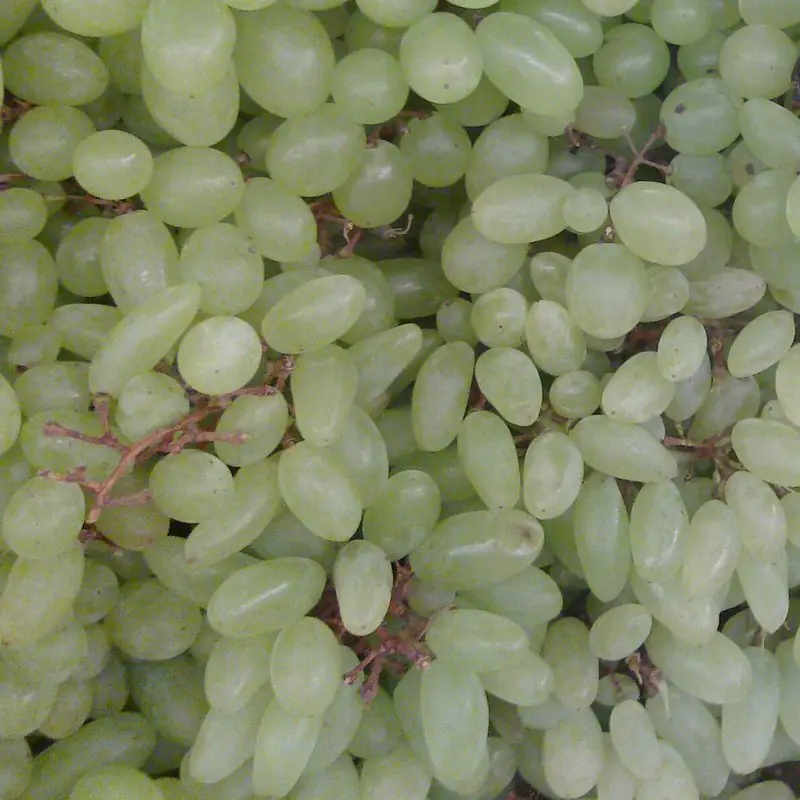
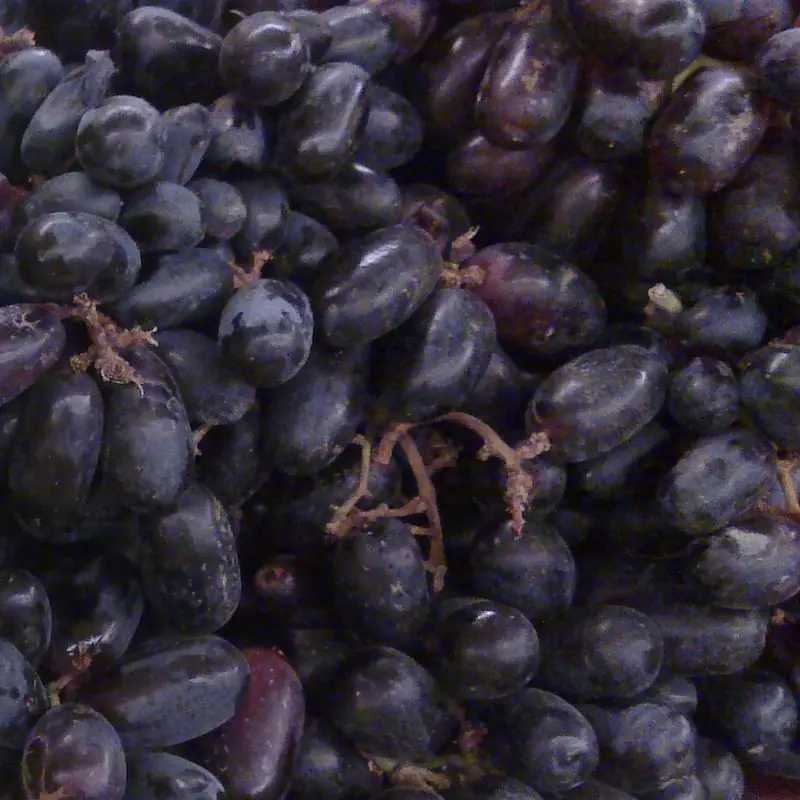
We export fresh seedless table grapes from Nashik in Maharashtra, the district the National Horticulture Board calls the grape capital of India. Nashik grapes have carried a Geographical Indication tag since 2010, and the district supplies the large majority of the state’s grape exports. The range covers green Thompson Seedless and its Indian selections, Sonaka and Tas-A-Ganesh, alongside black seedless grapes led by Sharad Seedless.
The export season is short and set by the vine rather than by demand. Harvest in Nashik runs from early February to early April, so programmes are planned months ahead and containers are booked against a known window. Most fruit comes from the Niphad and Dindori talukas, which together account for around 80 per cent of the district’s production.
For the European Union, residue compliance is built into the export system rather than left to the exporter. Grapes bound for the EU must come from farms registered through the state horticulture department on APEDA’s GrapeNet system, and only lots that pass residue tests at an APEDA-approved laboratory against the destination’s limits are accepted for export. The consignment also needs an Agmark grading certificate and a phytosanitary certificate before it ships, and the residue report can travel with the shipping documents.
Grapes are bought on a short list of measurable properties, and the contract should name each one. Berry diameter is usually stated as a minimum in millimetres. Sugar is measured in degrees Brix: the EU marketing standard sets a minimum of 14 °Brix for seedless varieties and a minimum bunch weight of 75 g. Add bunch condition, the share of loose berries you will accept and, for black grapes, colour uniformity, and arrival becomes a measurement rather than a negotiation.
Grapes do not improve after harvest, so the cold chain decides what you receive. Fruit is pre-cooled soon after picking, packed in cartons of around 4.5 to 5 kg with punnets or bags inside for retail programmes, and shipped by reefer close to 0°C at high humidity. Sulphur dioxide pads are used on longer sea routes to hold back grey mould, but they need care: too much SO2 bleaches berries around the stem, so the pad should match the transit time and the buyer’s rules.
At a Glance
- Varieties
- Thompson Seedless, Sonaka, Tas-A-Ganesh, Sharad Seedless
- Origin
- Nashik, Maharashtra (GI tag, 2010)
- Season
- Early February to early April
- Packing
- 4.5–5 kg cartons, punnets or bags inside
- MOQ
- 1 reefer container
- Key markets
- Netherlands, Bangladesh, Russia, UK, UAE
Grapes Products
Frequently Asked Questions
When are Nashik grapes available for export?
Harvest runs from early February to early April. The window is set by the growing cycle, so a programme is planned before the season rather than during it. Tell us your volumes and shipping weeks in advance and we will match them to growers’ harvest plans; buyers who arrive in March are working with whatever is left.
Which grape varieties do you export?
Green seedless grapes of the Thompson Seedless family, including the Indian selections Sonaka and Tas-A-Ganesh with their longer berries, and black seedless grapes, chiefly Sharad Seedless. Other varieties can be sourced subject to the crop. Name the variety in your enquiry, because berry shape, colour and price differ between them.
Can you export grapes to the European Union?
Yes. EU-bound fruit comes from farms registered on APEDA’s GrapeNet system, and each lot must pass residue tests at an APEDA-approved laboratory against EU limits before it is accepted for export. The consignment also carries an Agmark grading certificate and a phytosanitary certificate. Ask for the residue report with the documents on every shipment.
What is GrapeNet?
GrapeNet is APEDA’s online certification and traceability system for fresh grapes exported from India to the EU, introduced in 2007. It links registered farms, residue testing and export certification, so a consignment can be traced back to the plot it came from. A buyer can ask for the farm registration and residue details of any EU-bound lot.
What specification should I put in a grape contract?
At minimum: variety, minimum berry diameter in millimetres, minimum sugar in °Brix, carton weight and packing format, and the share of loose berries allowed. For the EU, seedless grapes must reach at least 14 °Brix and bunches must weigh at least 75 g, except in single-serve packs. Your own retail specification may be tighter, and it belongs in the contract.
How are grapes packed and shipped?
Typically in cartons of around 4.5 to 5 kg, with punnets or carry bags inside for retail, and other formats on request. Fruit is pre-cooled after harvest and shipped in reefer containers held close to 0°C at high humidity, usually with sulphur dioxide pads to control grey mould on longer routes.
Which markets buy Nashik grapes?
The Netherlands is the largest destination for Nashik grapes, followed by Bangladesh, Russia, the UK and the UAE, according to National Horticulture Board figures. Each market has its own residue, sizing and packing preferences, so tell us where the fruit is going when you enquire.
What is the minimum order for grapes?
One reefer container. Grapes need an unbroken cold chain from packhouse to destination, which makes part loads impractical. For a first season we can discuss a single container as a trial before you commit to a weekly programme.
Buyer guides: Grapes
All export guides →GlobalGAP, HACCP and ISO 22000: A Produce Buyer's Guide
Certificates get demanded, attached to emails and never read. Here is what each scheme actually covers, which ones apply to fresh produce, and how to check any of them in minutes.
CompliancePhytosanitary Certificates from India: A Buyer’s Guide
What the certificate actually proves, who issues it in India and how, the faults that get consignments held, and how to check one before your goods arrive.
ComplianceLetters of Credit for Produce Importers: What to Know
The ICC estimates 65 to 80 per cent of presentations are refused first time. On perishable cargo, paperwork delay is not an inconvenience, it is spoilage.